DNV - Experts & Thought Leaders



































Latest DNV news & announcements

The Nordic countries are taking an important step towards decarbonising maritime transport with the launch of Phase 2 of the “Nordic Roadmap for the introduction of sustainable zero-carbon fuels in shipping: Implementation and realisation 2025–2027.” Managed by DNV and supported by partners Everllence, IVL Swedish Environmental Research Institute, Icelandic New Energy, Sintef Ocean, and VTT, the programme aims to accelerate the transition to emission-free shipping across the region. New approaches to collaboration Building on the achievements of the first phase, phase 2 of the Nordic Roadmap will identify promising Nordic green corridors and drive the development of two to three corridors towards realisation. The program will tackle key barriers through targeted actions, with particular attention to cost challenges. A dedicated Task Force will explore new approaches to collaboration and financing to accelerate the transition to zero-carbon shipping and advance the realisation of green corridors between Nordic ports. Goals and actions in the Fuel Transition Roadmap Transition progress will be monitored annually through a new Barometer, assessing the region’s advancement against the goals and actions in the Fuel Transition Roadmap for Nordic Shipping developed in Phase 1. The programme will also aim to further strengthen the Nordic Collaboration Platform as a regional hub for knowledge exchange, policy dialogue, research and development, and related initiatives. Building on strong industry support, Phase 2 will place increased emphasis on engaging cargo owners and the finance sector - key stakeholders in delivering green and competitive Nordic shipping. Zero-emission shipping routes Andreas Bjelland Eriksen, Norway’s Minister of Climate and Environment, said: “The Nordic countries have a strong green maritime industry, and through good cooperation, the Nordic region has great opportunities to establish zero-emission shipping routes. This collaborative project will pave the way for that." “This new phase of the project aims to strengthen collaboration among industry stakeholders and explore how we can finance green shipping routes. We are moving from planning to action, and I look forward to following the project as it progresses,” he added. Zero-carbon shipping Knut Ørbeck-Nilssen, CEO Maritime, DNV, said: “In a time of mounting uncertainty, the maritime industry must stay resilient and focused on the long-term horizon. As we move into Phase 2 of the Nordic Roadmap, collaboration across borders and the value chain will be key to unlocking zero-emission solutions and reaching our 2050 decarbonisation goals.” Ole Pyndt Hansen, Vice President Everllence: “We are proud to contribute to Phase 2 of the Nordic Roadmap. Phase 1 marked a significant milestone, laying a strong foundation for a more sustainable maritime future. Building on that success, we are excited to continue this vital journey toward zero-carbon shipping, transforming ambition into action through close collaboration across the Nordic region.” Realisation of green shipping corridors Erik Fridell, Manager - Transport and mobility, IVL Swedish Environmental Research Institute, said: “Besides strengthened Nordic collaboration, increased focus on policy opportunities and port readiness for marine fuels will support the realisation of green shipping corridors in the Nordics.” Jón Björn Skúlason, CEO, Icelandic New Energy, said: “The participation of Iceland is very important in such a key roadmap project for the Nordic countries. The maritime sector will be very challenging specifically when it comes to greening the fishing fleet. Future policy decisions will impact the pace and we local stakeholders have to contribute towards the future green roadmap.” Technological challenge Markus Rautanen, Hydrogen Applications Team Lead, VTT, said: “Decarbonising shipping is not just a technological challenge - it’s a systemic transformation that demands collaboration across research, industry, and policymakers. At VTT, we are committed to driving innovation to accelerate this transition and strengthen the Nordic region’s leadership in sustainable maritime transport. The partners in this project form an excellent core team to push this change forward.” Trond Johsen, Centre Director, SINTEF Ocean, said: “The roadmap tells the industry where to go, but is less detailed on what to pack and how to afford the tickets. With the Phase 2 project we will support the industry and the governments with insights and tools to get through the ever-challenging implementation process.”

DNV has granted a Type Approval Design Certificate (TADC) to CSSC Shanghai Marine Energy Saving Technology Co., Ltd. (CMES-Tech) for its new 5m × 35m Tilting Type Wind Assisted Rotor System. This is the first domestically developed rotor sail system in China to achieve this recognition under DNV’s WAPS rules (ST-0511). With this certification, the system is confirmed ready for installation on DNV-classed commercial vessels and marks a major milestone for China’s green-shipping technology industry. Fuel costs and emissions regulations As shipping faces mounting pressure from fuel costs and emissions regulations, the demand for reliable and efficient wind-assisted propulsion systems is rising globally. Recent years have seen a growing number of WAPS solutions certified by DNV, including fixed or tiltable rotor, wingsail, and suction sail systems from providers around the world. The CMES-Tech tiltable rotor system features a retractable and adjustable design, enabling the rotor to adapt to varying draft and clearance conditions, and retract during cargo operations to avoid interference with deck/hatch operations or port infrastructure. The system also integrates intelligent sensing and automatic control to adjust rotor operation based on real-time wind conditions, maximising wind propulsion efficiency, while maintaining safety. DNV’s classification experts Dr. Huang Guofu, General Manager of CMES-Tech, said: “Receiving the DNV TADC is a landmark for China’s green-shipping industry and a strong validation of our design’s maturity, structural integrity and operational practicality. It demonstrates that our 5 m × 35 m tilting rotor design meets the highest classification and validates our commitment to driving maritime efficiency. We look forward to working with DNV as we continue to innovate and deliver solutions that can deliver economic and environmental value to shipowners worldwide.” As part of the TADC process, DNV’s classification experts reviewed all mechanical, structural, and electrical design documentation, and assessed the system’s suitability for shipboard application under realistic operational and environmental conditions. The review confirmed that the design of the CMES-Tech system meets the requirements of DNV’s WAPS technical standard (ST-0511). Demand for energy-efficient and emission-reduction solutions Mr. Chen Keng, DNV Vice President and Area Manager China South, said: “With increasing demand for energy-efficient and emission-reduction solutions, WAPS technologies offer immediate, tangible benefits to shipowners. The awarding of this TADC to CMES-Tech means we add another option to the growing portfolio of WAPS systems that have been assessed to the industry’s leading rule set, building further confidence in their readiness for real-world use. We congratulate CMES-Tech on this achievement, which underscores our strong collaboration on enabling the broader deployment new energy-enhancing technologies.” The rotor sail prototype has also successfully passed a rigorous 120% overload structural test, demonstrating its robustness under extreme load conditions. Looking ahead, CMES-Tech will proceed with detailed installation planning and sea-trials to validate the in-service performance of the new system.

DNV has awarded an Approval in Principle (AiP) to the joint consortium of MSC, Zhoushan Changhong International, and CIMC ORIC for a new 21,700 TEU ammonia-dual-fueled ultra-large container ship design. The AiP is another milestone in the development of next-generation, zero-carbon mainline container shipping. The proposed 21,700 TEU container ship integrates the latest-generation of ammonia dual-fuel main engines alongside oversized C-type ammonia tanks. The hull design, with a new vertical bow, optimised stern, and hull lines, alongside low-resistance coatings, high-efficiency propellers, and energy-saving hydrodynamic features, targets improved fuel efficiency, with validation through CFD simulations and model tests. Relevant DNV and international standards Mr. Yin Xunbin, General Manager of CIMC ORIC, said: “We are proud to see our 21,700 TEU ammonia-dual fuel design recognised with DNV’s AiP. This vessel concept offers shipowners an option for high-capacity, energy-efficient, zero-carbon container ship as part of the next-generation sustainable global liner services. This milestone validates our commitment to providing future-ready vessels that meet global trade demands while reducing emissions.” DNV’s classification experts have reviewed the concept design against the relevant DNV and international standards, including fuel system (ammonia tank and handling), propulsion arrangement, safety and mitigation systems for ammonia. The award of the AiP lays the groundwork for more detailed engineering studies and potentially commercial construction to DNV class rules. Ammonia-dual fuel options Norbert Kray, DNV Senior Vice President and Maritime Regional Manager for Greater China, added: “Ammonia-dual fuel options are firmly in the decarbonisation race, we have gone from concept to orders, and soon will see the first deliveries. At DNV, we have continued to develop our rules and standards to enable these new technologies, alongside guidances, and practical decision support." "The AiP demonstrates that the design is in line with industry’s pioneering safety and design standards, reinforcing confidence in ammonia as a viable fuel for large container vessels. We congratulate MSC, Zhoushan Changhong International, CIMC ORIC, and are very proud to be the class partner on this project, which supports the industry’s drive toward sustainable shipping at scale.” Predefined framework of requirements The design has been optimised for a high load-to-capacity ratio, and efficient hold utilisation. In addition, the twin-island deck layout and foredeck design allows additional 40 ft container bays to increase cargo capacity while maintaining port and operational compatibility. As the project develops, the consortium is proceeding towards more detailed design and safety analyses (including ammonia mitigation and gas handling), and integration into the fuel system. An Approval in Principle (AiP) is an independent evaluation of a concept based on a predefined framework of requirements. It confirms the feasibility of the design and ensures there are no significant technical obstacles hindering its implementation.
Insights & Opinions from thought leaders at DNV
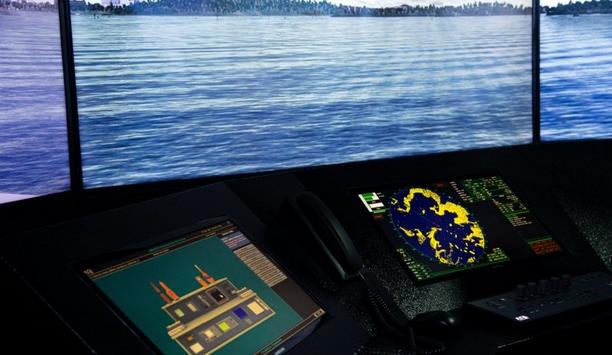
More than almost any trend, decarbonisation is driving the future of maritime. That reality alone makes decarbonisation the perfect topic for our first-ever Expert Panel Roundtable column. Traditional maritime fuels, like heavy fuel oil, release harmful pollutants that contribute to air pollution and have adverse health effects. We have to do better, and discussions in the maritime industry centre on which combination of alternative fuels and other technologies can solve the shorter- and longer-term challenges of decarbonisation. For an update on the various approaches, we asked our Expert Panel Roundtable: What are the latest maritime technology trends in decarbonisation?

The maritime industry is taking important steps to improve cybersecurity, catching up rapidly by introducing other industries' best practices into information technology (IT) and operational technology (OT) onboard vessels. Work remains to be done to ensure a cyber-resilient worldwide fleet of maritime operations. The way forward is through collaboration among all major stakeholders. Remote-controlled and autonomous ships In the future, the marine industry will increasingly use remote-controlled and autonomous ships and infrastructure. One can imagine multi-ship, multi-infrastructure hybrid scenarios where a software failure or a cyber-attack could result in widespread damage. “Protecting this advanced marine industry will drive the need for even higher levels of cybersecurity, reliability, and robustness of marine automation systems and software,” says Svante Einarsson, Head of Maritime Cyber Security Advisory, DNV Cyber. Cybersecurity insights CyberOwl complements DNV Cyber with advanced analytics and threat management for maritime vessels Einarsson shares additional insights into cybersecurity for the maritime industry in our recent interview. DNV expanded its cybersecurity capabilities by acquiring Applied Risk in 2021 and Nixu in 2023, forming DNV Cyber with over 500 experts. This merger enhances maritime cybersecurity by integrating IT and industrial control system security services, offering comprehensive solutions from risk assessment to incident response. CyberOwl complements DNV Cyber with advanced analytics and threat management for maritime vessels, ensuring real-time threat monitoring and support to sustain regulatory compliance. Maritimeinformed.com: What are the cybersecurity vulnerabilities in the maritime market? What are the possible consequences and/or worst-case scenarios? Einarsson: The maritime industry faces several cybersecurity vulnerabilities, including the integration of IT and OT systems, unsecured Internet of Things (IoT) devices, outdated software, weak authentication, and human factors like phishing. The consequences of breaches can be severe, such as operational disruption, data theft, ransomware attacks, cyber-physical attacks, and supply chain disruption. A worst-case scenario includes hybrid incidents that compromise both IT and OT systems at the same time within highly trafficked areas (such as a port). Depending on the available time and alternative means, the vessel might run aground resulting in major oil spills, environmental disasters, and/or significant loss of life. These vulnerabilities and potential impacts highlight the critical need for robust cybersecurity measures in the maritime sector. Maritimeinformed.com: What is the role of regulations when it comes to cybersecurity in the maritime market, including IMO, IACS, and critical infrastructure regulations? How do regulations drive better cybersecurity practices? The EU’s NIS2 directive enforces robust cybersecurity strategies and incident reporting Einarsson: Regulations play a crucial role in maritime cybersecurity by setting global standards and ensuring compliance. The International Maritime Organisation (IMO) mandates cyber risk management in Safety Management Systems, while the International Association of Classification Societies (IACS) requires cybersecurity integration in systems and ships throughout the lifecycle of a vessel for new builds contracted after July 1, 2024. The EU’s NIS2 directive enforces robust cybersecurity strategies and incident reporting. These regulations drive better practices by standardising frameworks, holding organisations accountable, promoting holistic risk management, enhancing transparency, and fostering continuous improvement. This comprehensive regulatory approach forces all stakeholders in the industry (yards, vendors, and ship managers) to act and work together to implement effective cyber resilience. Maritimeinformed.com: How does greater awareness boost cybersecurity? What is the role of near misses in driving cyber awareness and investments? Einarsson: Greater awareness boosts cybersecurity by educating individuals and organisations about potential threats, leading to better prevention and response strategies. It fosters a culture of vigilance, reducing the likelihood of successful attacks. Near misses play a crucial role by highlighting vulnerabilities and demonstrating the potential impact of cyber threats without causing actual harm. These incidents drive investments in cybersecurity by showcasing the need for robust defences, and well-planned responses, and encouraging proactive measures to prevent future breaches. Maritimeinformed.com: What are the pitfalls of over-confidence and under-preparation when it comes to cybersecurity? Einarsson: Overconfidence in cybersecurity can lead to complacency, ignoring potential threats, and underestimating attackers. For example, relying on boundary protection only, and believing that a system is impenetrable might result in neglecting regular updates and patches, leaving it vulnerable to exploits. Under-preparation, on the other hand, means inadequate de fences, response plans, and drills. An example is the 2017 Equifax breach, where failure to patch a known vulnerability led to the exposure of sensitive data of 147 million people. Both pitfalls can result in significant financial and reputational damage. Maritimeinformed.com: What is the role of technology advancements in driving the need and awareness of cybersecurity (e.g., the impact of digitisation, decarbonisation, automation, etc.)? Digitisation and automation support decarbonisation also increase the need for cybersecurity Einarsson: Decarbonisation is one of the key shaping factors in maritime today. Technology advancements like digitisation and automation support decarbonisation but also increase the need for cybersecurity by expanding the attack surface and introducing new vulnerabilities. As industries adopt remote maintenance, IoT, artificial intelligence (AI), and other technologies, the complexity and connectivity of systems grow, making them more susceptible to cyber threats. An example is how scrubber systems with modern technologies such as remote connectivity are retrofitted onboard older vessels today, creating a new and potentially unmanaged gateway to the control systems onboard the vessel. In other words, cybersecurity enables digitisation and decarbonisation. Maritimeinformed.com: What is the labor situation when it comes to the skillsets needed for cybersecurity excellence? Is there a shortage of expertise and how can it be addressed? Einarsson: The cybersecurity industry faces a significant skills shortage, with a very large number of positions unfilled globally. This gap is driven by the rapid evolution of cyber threats and the increasing complexity of digital environments. To address this, organisations should adopt skills-based hiring, offer continuous training and upskilling, and create clear career paths. Attracting diverse talent and collaborating with educational institutions can also help bridge the gap. Emphasising both technical and soft skills is crucial for developing a robust cybersecurity workforce. Many times the best option is to combine different competencies of several people into an aligned team, such as superintendents with OT system and operation expertise with cybersecurity and IT fleet experts. Maritimeinformed.com: What is the emerging role of AI in cybersecurity, such as the ability to anticipate attacks before they happen? AI-driven tools can predict and anticipate attacks by recognising early warning signs, allowing teams to address vulnerabilities Einarsson: AI can significantly enhance cybersecurity teams' effectiveness by providing advanced threat detection and predictive analytics. Machine learning algorithms analyse vast amounts of data to identify patterns and anomalies that may indicate potential cyber threats. AI-driven tools can predict and anticipate attacks by recognising early warning signs, allowing teams to address vulnerabilities proactively. Additionally, AI automates routine tasks, freeing up human experts to focus on more complex issues. Human teams can assess AI-generated results, ensuring accuracy and context, and make informed decisions. Real-time threat intelligence and automated response systems ensure quicker mitigation of incidents, ultimately strengthening the overall security posture and reducing the likelihood of successful cyber-attacks. Maritimeinformed.com: What is the impact of geopolitics on cybersecurity? How does the geo-political situation contribute to risks? Einarsson: Geopolitics significantly impacts cybersecurity by increasing the frequency and severity of cyber-attacks. Conflicts like the Russia-Ukraine war have led to coordinated cyber and hybrid offensives, targeting critical infrastructure globally. Geopolitical tensions contribute to risks by creating an environment where state and non-state actors exploit vulnerabilities and accessible assets for espionage, sabotage, and disinformation. The most obvious related threat in the maritime domain is GPS and AIS spoofing which is very common in military active areas. Incidents have already happened where the untrained crew has had their ship impounded after being misled into foreign state waters.
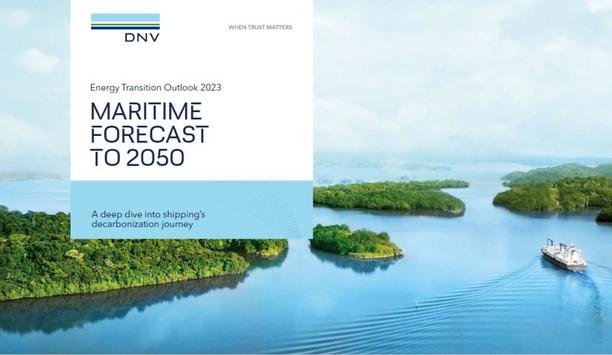
We are in the midst of a decisive decade when it comes to the future of maritime. Facing a long-term goal of achieving net-zero emissions by 2050, the industry needs to make more informed and science-based decisions, and a new level of collaboration and flexibility will be needed among all maritime stakeholders. DNV’s Maritime Forecast to 2050 report provides a deep dive into shipping’s decarbonisation journey. Energy Transition Outlook 2023 The Energy Transition Outlook 2023 is the latest industry report focusing on the future of shipping and the uncertain route to getting there. DNV is the world’s pioneering classification society and a recognised advisor for the maritime industry. Between 2030 and 2050, technologies will have to be implemented along the path to net zero In the near term, between now and 2030, reducing energy consumption will go a long way toward meeting the required carbon reductions, according to the report. However, in the longer term, between 2030 and 2050, newer technologies will have to be implemented along the path to net zero. New pilot programmes "We try to have an overview of what's important and stay abreast of what is being discussed in the industry," says Eirik Ovrum, Principal Consultant, DNV Environment Advisory and lead author of the report. "This year, we focused on discussing technologies we haven't focused on before. We have to consider all of them." New pilot programmes including on-board carbon capture and nuclear propulsion will provide insight into how workable these strategies are on a larger scale and in a longer timeframe. Technological commercialisation A lot of technology will have to be developed, demonstrated, and commercialised over the next decade" "In this decade, we will have to develop new technologies and demonstrate performance, and then after that, we need to use those technologies on a larger scale,” says Ovrum. “Technological commercialisation is uncertain until we show we can make it work. But it is necessary. A lot of technology will have to be developed, demonstrated, and commercialised over the next decade." Decarbonisation focus for 2030 The near-term decarbonisation focus for 2030 is to reduce carbon emissions by 20%, which is “ambitious, bordering on the unrealistic,” says Knut Orbeck-Nilssen, DNV’s CEO, Maritime. “The outlook is challenging, but I remain an optimist,” he says. “Shipping has managed great challenges before. We need collaboration both within shipping and across sectors with those who produce and distribute the energy. Public and private partnerships can make a good contribution.” Use of alternative fuels Achievements toward the goal include a rapid growth in ships that can use alternative fuels “The clock is ticking louder on efforts to identify, define, and resolve barriers to successful and safe decarbonisation,” says Orbeck-Nilssen. Achievements toward the goal include a rapid growth in ships that can use alternative fuels, such as methanol and LNG (liquified natural gas). Carbon-neutral fuels In the long term, a range of technologies will be necessary, beyond the use of alternative fuels. The shipping industry will compete for the availability of carbon-neutral fuels with aviation, road transportation, and other industries. The shipping market will require an estimated 30-40% of the cross-sector carbon-neutral fuel supply in 2030. Carbon capture and storage The technology captures the carbon in the fuel before CO2 is emitted to the atmosphere through the exhaust Onboard carbon capture and storage can reduce the demand for carbon-neutral fuels and avoid broader market competition for sustainable biomass and renewable electricity. The technology captures the carbon in the fuel before CO2 is emitted to the atmosphere through the exhaust, thus allowing for continued use of carbon-rich fossil energy (but with significantly reduced CO2 emissions). Nuclear-powered ships Nuclear-powered ships are another approach, which is a proven technology used in navies and icebreakers. The technology would also reduce the competition for biomass and renewable electricity, but barriers exist to the application of nuclear power to merchant vessels. Pilot studies are planned for the early 2030s to assess the long-term feasibility of nuclear-powered ships. According to the DNV 2023 report, nuclear propulsion can be a competitive option if reactor costs are in the lower range of historical costs for land-based nuclear power plants. Accelerating the green shipping corridors Green shipping corridors can accelerate the use of carbon-neutral fuels by allowing barriers to be identified The continuing development of “green shipping corridors” will facilitate the application of decarbonisation strategies throughout the maritime value chain. A “green corridor” is a shipping route on which zero-carbon emissions ships and other emission reduction programmes are deployed, enabled by public and private actions and policies. Green shipping corridors can accelerate the use of carbon-neutral fuels by allowing barriers to be identified and overcome in a more targeted and practical way, rather than on a global scale. Wind-assisted propulsion and air lubrication systems Technologies such as wind-assisted propulsion and air lubrication systems can also play a role in the decarbonisation effort. Air lubrication reduces the resistance between a ship and the sea around its hull, thus lowering energy consumption. Other factors include digital tools, and fleet deployment and optimisation. “The 2020s is proving to be the decisive decade for decarbonisation of shipping,” says Ovrum. Decisions and strategies developed in the next few years will be decisive in meeting the 2030 and 2050 decarbonisation goals. Ways to overcome challenges To meet the challenges, Ovum says shipowners should: Reduce energy consumption now; Consider all decarbonisation options; Focus on fuel flexibility; and Consider long-term fuel strategies.

Fleet planning as a strategic asset
Download