Technology & Trends - Prime movers

The concept of the digital twin and its potential benefits have become embedded in the maritime industry. But how far it has penetrated the collective mindset of the industry is less certain. Creating a digital twin for an expensive and complex newbuilding project is becoming more commonplace and is being driven by owners, particularly for energy shipping, defence or other specialist vessels. 3D model-based design Powered by 3D model-based design and a Product Lifecycle Management-led...

Imagine a vessel in distress, the challenging weather and sea state, the distractions and the anxiety onboard the ship or liferaft. Whether a commercial ship, an offshore supply vessel, or a ferry, any emergency situation is extremely stressful, requiring calm decisions and actions by the captain and crew which could potentially save lives. Reliable electronic safety equipment For decades, with pyrotechnic flares as the accepted standard, a crew member has been expected to fumble for a flare...

The offshore energy sector has always been cyclical, but today’s volatility feels different. Inflation, rising capital costs, and shifting forecasts are reshaping both offshore wind and oil and gas, prompting a rethink of how vessel owners, designers, and operators prepare for the decade ahead. While costs have soared, investment has not collapsed. Instead, a new kind of resilience is emerging, built on design flexibility, hybridisation, and system integration. For projects commissioned...

From monumental structures like wind turbines to heavy specialised commercial vessels like tugs or minehunters, out-of-gauge cargo presents unique challenges. Standard logistics is never enough for these high-value, complex projects. Requiring multi-purpose vessels with their own cranes, reinforced decks and the ability to submerge, project cargo transport calls for technical expertise, experienced decision-making capabilities and foresight every step of the way to mitigate risk and avoid hidde...

Marine industry pioneers gathered at Nor-Shipping in June, with a focus on the key challenges and opportunities driving the transition to a lower-carbon future. With regulations such as the Carbon Intensity Indicator (CII), FuelEU Maritime, the EU Emissions Trading System (EU ETS) and the upcoming International Maritime Organisation (IMO) carbon levy, fouling control systems continue to play a vital role in the shipping industry as the regulatory bodies chart a course towards net-zero emissions...

The global maritime surveillance market is projected to grow from $21.9 billion in 2023 to $ 42.7 billion by 2033. This growth is being driven by increasing global trade, maritime security concerns, and the adoption of advanced surveillance technologies such as radars, drones, and satellite monitoring systems. Moreover, the global shipping industry is now on the frontlines of a new kind of conflict — one defined by economic coerc...
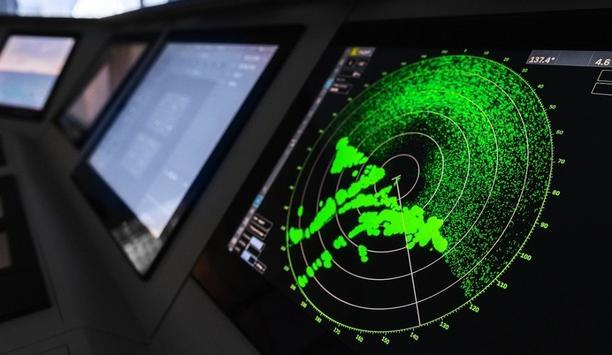
Maritime digitalisation, decarbonisation and autonomy were the dominant themes at this month's Nor-shipping conference, where mariners from around the world gathered to discuss the industry's future. But beneath these headline topics, a fundamental shift in maritime navigation is quietly underway. S-100, the next generation of maritime data standards, will transform today's static navigation systems into dynamic, real-time communication networks that revolutionise everything from autonomous nav...

When the Ballast Water Management (BWM) Convention came into force in 2004, it was in response to a crisis we couldn’t afford to ignore—one where invasive aquatic species, carried silently in ships’ ballast tanks, were devastating marine ecosystems. Now, two decades later, compliance with this environmental safeguard is no longer optional—and yet, as recent industry findings reveal, record-keeping failures account for 58% of compliance issues. That’s not a technol...

President Donald Trump has already made plenty of headlines since taking up his second term in the White House, including with the announcement of numerous new tariffs on imports. The 47th United States President issued three executive orders on February 1st 2025, just days after his inauguration, which directed the US to impose an additional 25 percent ad valorem rate of duty on imports from Canada and Mexico, as well as ten percent on imports from China. How Trump’s 2nd term...
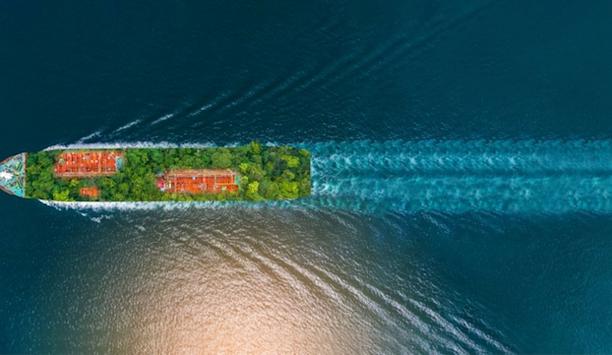
The shipping industry is currently navigating a profound transformation driven by environmental concerns, new emissions targets, and evolving regulations. As vessel owners and operators seek to reduce emissions while remaining competitive, determining the right strategy has become increasingly complex. Factors such as alternative fuel availability, fluctuating prices, and an ever-expanding range of technological solutions have made decision-making anything but straightforward. Lack of motivat...

Aiming to establish minimum requirements for the cyber-resilience of newbuild vessels and their connected systems, IACS unified requirements (URs) E26 and E27 provide a new benchmark for shipping’s response to its growing exposure to cyber-attacks. Officially in force from 1 July 2024 and broadly welcomed by industry, the new URs represent another step forward in strengthening Maritime's resilience to the evolving cyber threat. However, according to a thought-provoking discussion recently...
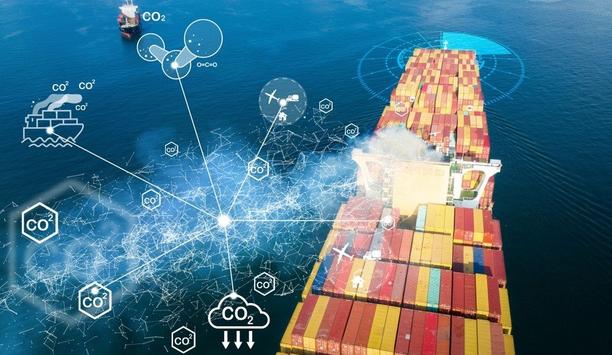
Demand for ammonia is being transformed by the energy transition. Until recently used as an input for fertiliser and chemical products, new markets for green and blue ammonia are emerging, replacing fossil energy in power generation, steel production and marine fuel. Today some 200m tonnes per annum of ammonia is produced worldwide with 20m tpa transported in LPG carriers. The scale of the emerging and potential demand will see these figures rise; how quickly this can be achieved will determine...

Covering over 70 percent of the Earth’s surface, the oceans are a vital element of our planet’s ecosystem. However, for the millions of vessels that cross them, the aquatic environment can present a problem. Vessels are increasingly using electrical systems to power across oceans, but a component’s design must account for these extreme conditions. Here, David Atkins, project director at marine resistor manufacturer Cressall, investigates offshore resistor design. Importance of...
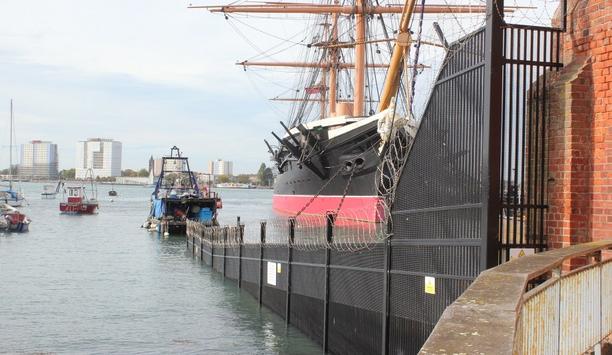
Ports around the UK continuously command media attention, and most recently, the ongoing disruption to supply chains globally has had a great impact on the day-to-day running of our ports. One example is Felixstowe, the UK’s largest container port, which has been forced to turn away ships from Asia because of a lack of capacity. The severe lack of HGV drivers is adding to the problem too. It has been reported that the amount of time goods spend inside Felixstowe port, known in the indust...
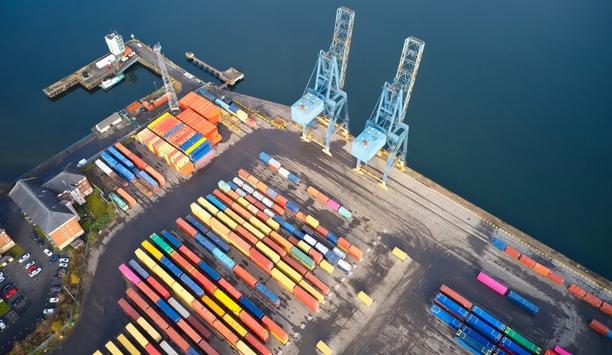
In recent months, COVID-19 has put incredible pressure on global supply chains. But it’s not just the pandemic that is causing unforeseen pressure on the UK supply chain. We have an ageing infrastructure, a chronic HGV driver shortage, record-high prices and record low space availability on sea freight options, new rules in trading with the EU, and in addition, a UK-wide shortage of warehousing capacity. While we have had to stay at home, online shopping has peaked and an increasing amou...


