IoT

Orbit Communication Systems, a pioneering global provider of mission-critical land, airborne and maritime SATCOM terminals, tracking ground station solutions, and advanced communication systems, announced it has received a new order valued at approximately $2.4 million from a pioneering European defence integrator. The order is for the supply of OceanTRx4 MIL satellite communication systems for military maritime platforms operated by a leading NATO navy. System deliveries are scheduled to comm...

DNV has awarded Jiangnan Shipyard an Approval in Principle (AiP) for its Jiangnan Intelligent System JNIS (DATA) under the D-INF(S) class notation. Jiangnan received the recognition for their standardised onboard data platform which is aligned with ISO 19847 and ISO 19848. The accelerating digital transformation of the maritime industry depends on trusted, high-quality data collected systematically from sensors, control systems, and other onboard sources. But as vessels generate increasingly la...

ACR Electronics, a world pioneer in survival technology, is announcing the launch of the new SR303 GMDSS Survival Radio at METSTRADE 2025. Engineered to meet the demanding requirements of commercial maritime operations and comply with international safety regulations, the handheld VHF provides critical communication capabilities both during daily operations and in life-or-death emergencies. IMO and SOLAS standards The fully-certified ACR Electronics SR303 meets IMO and SOLAS standards (includ...

James Fisher Defence (JFD Global), a global provider of specialist marine and defence solutions enabling mission success at sea, has commenced a project to deliver to the Submarine Delivery Agency (SDA) - a new medical monitoring capability for integration into the NATO Submarine Rescue System (NSRS). The innovation marks a major upgrade to the NSRS’s existing capability, expanding capacity from monitoring four submariners to up to 76, including medical personnel, during rescue operations...

ABB has been recognised as a pioneer in the 2025 Gartner® Magic Quadrant™ for Global Industrial IoT Platforms. ABB views the recognition as a reflection of the company’s continued commitment to delivering innovative industrial AI and IoT solutions that empower industries to operate leaner and cleaner. Data-driven business outcomes “Being recognised by Gartner® four consecutive times and now positioned as a Leader is a proud moment for ABB and we see it is a tes...

KR (Korean Register) has awarded Approval in Principle (AIP) to HD Hyundai Mipo and HD Hyundai Samho for their Internet of Things (IoT)-based Smart Accommodation System, announced on September 9 at the Gastech exhibition in Milan, Italy. The approval highlights KR’s leadership in supporting the safe adoption of smart ship technologies, while showcasing the innovation of next-generation accommodation design. Advancing safe technology standards The Smart Accommodation System employs...
News

ABB and shipping company - Wallenius Marine have formally established a new joint venture based in Stockholm, Sweden, to expand their OVERSEA™ collaboration and ensure customers will fully benefit from future-proof vessel performance management capabilities. Launched in September 2022 as a collaboration between ABB and Wallenius Marine, OVERSEA™ is a combined digital solution and ‘fleet-support-center-as-a-service’ offering designed to help ship owners, operators, and managers enhance the efficiency and sustainability of maritime operations. ABB Genix™ Industrial IoT and AI Suite OVERSEA™ leverages ABB’s significant expertise in ship technologies and the extensive fleet management knowledge from Wallenius Marine to enable measurable performance improvements. The solution leverages ABB Genix™ Industrial IoT and AI Suite, which integrates the power of industrial analytics and artificial intelligence into an enterprise-grade digital suite. Data on board of several vessels Operators are able to propose operational changes that can reduce fuel consumption and emissions The solution collects and analyses data on board of several vessels worldwide, with shore-based experts providing advanced decision-making support and tailored recommendations from the OVERSEA™ Fleet Support Center in Stockholm. As a result, operators are able to propose operational changes that can reduce fuel consumption and emissions while optimising safety and reliability across their fleets. Innovative fleet support service "Our long-standing tradition of innovation and pioneering spirit is built on many years of experience in ship operations and advanced technical expertise. This makes us well-equipped to quickly identify and respond to industry needs. Through our partnership and close collaboration with ABB, we can now bring our innovative fleet support service to a global market, and we look forward to continuing to drive maritime development together," says Johan Mattsson, CEO of Wallenius Marine. Establishment of the OVERSEA™ joint venture "The establishment of the OVERSEA™ joint venture marks a significant milestone for us, solidifying the successful collaboration between ABB and Wallenius Marine over the past few years," said Tomas Arhippainen, Business Line Manager, Marine Service & Digital, ABB Marine & Ports. He adds, "With OVERSEA™, customers can transform data into actionable insights, enabling them to not only improve their performance, but also sustain it over time. Consequently, both vessels and customer offices can adopt sustainable improvements, enhancing energy efficiency, safety, and reliability."

Wallem Group, a major global maritime partner, has launched a suite of support and consultancy services to protect IT systems onboard its clients’ vessels from disruption. Its new Vessel IT Security and Management Services (VITS) offer comprehensive support to enable smooth, secure and efficient IT at sea in an increasingly digitalised and regulated maritime world. VITS have been developed with a ship's entire digital ecosystem in mind – from its business networks to the Internet of Things (IoT) systems on which operations and humans rely. It includes six management and security services to help keep vessel IT systems up and running, and minimise cyber threats. Wallem VITS Wallem VITS offer continuous Servicedesk Support to customers from experts in vessel IT Wallem VITS offer continuous Servicedesk Support to customers from experts in vessel IT. When necessary, enquiries are escalated to specialist in-depth service teams. A Remote Vessel Infra Support service swiftly resolves IT issues from shore. In more complex cases, Wallem offers Onboard Vessel IT Support, deploying engineers to the ship to offer hands-on assistance with IT infrastructure, system upgrades, health checks and troubleshooting. “The VITS suite is Wallem’s comprehensive response to shipping’s advancing digitalisation, and the critical role IT reliability plays in maritime operations,” said Steve Whitby, Group IT & Technology Director, Wallem Group. Growing reliance on IT Steve Whitby adds, “Ship owners increasingly seek efficiencies from remote IT support, remote management, and remote monitoring of vessel operations. Securing these benefits requires deep IT knowledge and long-standing maritime experience. VITS delivers these core specialised services.” He continues, “Shipping’s growing reliance on IT explained why the other three service modules in VITS focus on cyber security. Modern vessel operations demand connected IT infrastructure, but this can expose outdated onboard systems and virus signatures, hardware performance issues, and deficiencies in data back-up and IT support.” Steve Whitby further states, “Owners must secure networks, onboard systems, and data against ransomware, phishing, and unauthorised access. VITS offers tailored services to safeguard vessel IT.” Vulnerability Management service VITS includes a Vulnerability Management service, through which the Wallem team scans shipboard computers annually to identify vulnerabilities, then applies patches and security-hardening measures remotely to ensure the vessel's IT remains secure and compliant. Its Advanced Endpoint Protection, meanwhile, is a signatureless security service that uses machine learning and behavioural analysis to defend systems against zero-day attacks and evolving threats. Critical systems are safeguarded by an Enhanced Backup Service, which is activated in the event of a cyber-attack or hardware failure. It features a network-based backup vault with integrated virus protection, remote monitoring, and restoration support. VITS also offers a Security Benchmark Service, reporting on security gaps, compliance shortfalls, and best practices.

With under four weeks to go until the inaugural Container Terminal Automation Conference Asia (CTAC Asia), the agenda has everything ports and terminals are looking for! Seeing as Asia’s ports are facing growing pressures from congestion and the rising demand for increased logistics, the agenda presents strategies, insights and new technology presentations from major industry figures. Bringing together expert figures, the agenda will examine the region’s unique challenges across, digitalisation, cybersecurity, sustainability, electrification, and automation. Top experts will be taking to the stage with keynote addresses from: Joe Schofield, Senior Director and COO/APMT Rep at Port of Tanjung Pelepas Harry Nguyen, CEO and Founder, Realtime Business Solutions Harrison Nguyen, Business Development Manager, Realtime Business Solutions Roy de Haan, Program Director for Feeders and Terminals, DCSA Sangkom Kositwiwat, IT Director, KLN Seaport Limited Here are the top sessions visitors won’t want to miss: CTAC Asia 2025 Scene Setter: Trends, Challenges and Strategic Priorities in Asian Container Terminals The panellists will identify major themes, including global trade shifts, technology adoption, sustainability Offering a strategic overview of the current market conditions for Asian container terminals, this session will explore key challenges and emerging opportunities. The panellists will identify major themes, including global trade shifts, technology adoption, sustainability, resilience strategies, and workforce transformation. Speakers: Jayendu Krishna, Director and Head, Drewry Maritime Advisors Anthonie Versluis, Senior Advisor Ports and Maritime, Independent Mahim Khanna, Regional Director, Portwise The Digital Terminal 1: Building the Foundation for a Data-Driven Operation Find out how smaller Asian terminals can strategically begin their digital transformation by implementing foundational systems like TOS, digitising workflows, and managing operational data. The panellists will share practical insights and lessons learned to help operators avoid common pitfalls and prepare for a data-driven future. Moderator: Allan Gray, Chief Executive Officer, Sentient Ports Speakers: Muhammed Shafeek, Business Solutions Specialist, Qterminals Mahim Khanna, Regional Director, Portwise Carlo Mojica, Senior Consultant for Port Solutions, Moffatt & Nichol The Digital Terminal 2: Steps Towards Digital Maturity and Tools for a More Visible and Efficient Operation Continuing from the first part of this topic, this session will focus on helping terminals advance toward intelligent, data-driven operations by achieving greater digital maturity. Experts will discuss readiness indicators, integration challenges, and the transformative potential of technologies like AI, automation, IoT, and digital twins. Moderator: Chand Dhaliwal, Senior Partner, Argos Partners Speakers: Harry Nguyen, CEO and Founder, Realtime Business Solutions Adel Alsooj, Head of GRC, Qterminals Sangkom Kositwiwat, IT Director, KLN Seaport Limited Zack Lu, Senior Project Manager and Consultant, Portwise Felix Czerny, Co-Founder and CEO, Conroo Challenges for Terminals in Developing Nations and the Potential of Growth Markets Expect real-world strategies and partnerships that help build resilient, efficient terminals Examine how operators can seize opportunities in emerging economies despite challenges like infrastructure gaps, regulatory hurdles, and limited digital tools. Expect real-world strategies and partnerships that help build resilient, efficient terminals, while fostering local collaboration and long-term growth. Speakers to be announced soon. Opening at the Sheraton Imperial Kuala Lumpur Hotel, Malaysia, from 8 to 9 September 2025, CTAC Asia is promising to deliver an exciting two-day programme, jam-packed with unmissable sessions! By attending, industry professionals will come together to spark meaningful conversations, actionable insights, and valuable connections to shape the future of terminal operations in Asia. Explore the full agenda by clicking here and then register for your ticket today.

Samskip, one of Europe's renowned logistics service providers, has officially joined the DCSA+ partnership program, reinforcing its commitment to digital innovation, interoperability, and the evolution of global logistics standards. By becoming part of this influential network, Samskip takes a pioneering role in shaping the digital frameworks that will power tomorrow’s logistics, frameworks built on openness, collaboration, and efficiency. Future industry standards “We believe the future of logistics relies not just on smart systems, but on a shared digital language,” said Ragnar Thor Ragnarsson, Chief Information Officer at Samskip. He adds, “By joining the DCSA+ Partner Program, we have the opportunity to help shape future industry standards that enhance not only our own multimodal operations, but also the entire logistics ecosystem. Stronger standards lead to greater reliability, efficiency, and service quality for everyone.” Ocean container carriers and inland transport operators As a multimodal pioneer across shortsea, rail, road, and inland waterways, Samskip brings a unique view As a multimodal pioneer operating across shortsea, rail, road, and inland waterways, Samskip brings a unique perspective to the DCSA+ community. Its participation bridges the gap between ocean container carriers and inland transport operators, contributing critical insight into aligning systems, reducing fragmentation, and streamlining data flow across complex supply chains. Adoption of open digital standards The DCSA+ program was launched to accelerate the adoption of open digital standards by including all key logistics stakeholders from ports and tech providers to shortsea operators and forwarders. It aims to: Connect industry partners with proven standards, Accelerate real-world implementation, and Contribute to the evolution of new, practical solutions. Samskip early access to API Through the collaboration, Samskip gains early access to API (application programming interface) Samskip’s involvement ensures that multimodal inland transport, often overlooked in ocean-focused frameworks, has a seat at the table in shaping a truly end-to-end digital transformation. Through the collaboration, Samskip gains early access to API (application programming interface) and messaging standards, increased interoperability with customers and partners, and the opportunity to streamline internal processes while helping push the entire industry forward. Samskip’s ongoing collaboration with SMDG This initiative complements Samskip’s ongoing collaboration with SMDG, further reinforcing its dedication to modernising digital communication through both traditional EDIFACT formats and cutting-edge APIs. “Through DCSA+ and SMDG, we are doubling down on our commitment to reliable, visible, and simplified transport while showing what’s possible when we listen, align, and innovate together,” added Ragnar Thor Ragnarsson.

Hefring Marine, the pioneer in intelligent marine analytics, announces the launch of its latest innovation: the Impact Report, a powerful new feature that delivers unprecedented visibility into vessel impact events, helping maritime professionals make smarter, safer decisions at sea. This advanced analytics solution enhances marine safety technology by equipping fleet managers and operators with detailed insights into impact events that may affect vessel integrity, crew safety, and operational efficiency. The Impact Report Hefring Marine's intelligent solution correlates impact data with multiple on board data sources The Impact Report feature transforms complex sensor data from Hefring Marine's IMAS sensors into clear, visual summaries that reveal what happened, when it occurred, and precisely where on the vessel. Unlike traditional impact monitoring systems that rely solely on impact magnitude, Hefring Marine's intelligent solution correlates impact data with multiple on board data sources, including engine data and other sensor types, to provide a comprehensive picture of marine incidents. Safety and operational analysis "Traditional impact analysis has been limited to basic accelerometer readings that miss critical context," said Karl Birgir Björnsson, CEO and co-founder at Hefring Marine. "Our Impact Report feature goes far beyond simple magnitude measurements. It analyses each impact to determine hull location, impact type, and can automatically flag various scenarios including propeller strikes, grounding events, and potential collisions. This level of intelligence transforms how the maritime industry approaches safety and operational analysis." Key features Key features of the Impact Report include: Sensor list: The system automatically correlates data from multiple sensors to create distinct events that may have been detected by several instruments, simplifying analysis. The top of the report shows a breakdown of each IMAS sensor unit connected on board the vessel during the trip. The report informs users of the impact count, how many impact events each sensor registered, and the peak impact detected by each sensor. This helps identify where on the vessel the most significant forces were experienced. Impact directions: Two powerful visualisation charts provide instant understanding of impact directions, a side view revealing vertical impacts such as wave slamming or bottom strikes, and a top view showing lateral impacts including port/starboard collisions or contacts. Impact event overview: An interactive timeline chart and detailed table list all impact events detected during trips, with clickable events that provide drill-down capabilities for detailed analysis. Identifying risky operational patterns When looking into a specific event, the report shows: Detailed statistics: Duration, peak forces, and other key metrics Event location: Pinpointed on an interactive map Directional impact arrows: Showing the exact direction and intensity of forces per sensor Detected flags: Such as propeller strike, propeller ventilation, grounding, nearby vessel presence, or potential collision Impact profile chart: A detailed curve of the event, helping distinguish between scenarios like wave slamming vs. object collision Per-sensor information: Detailed metrics calculated for each sensor that recorded the event, to support further analysis The Impact Report addresses a critical need in the maritime industry, where understanding the true nature of impact events has traditionally been challenging and time-consuming. By providing clear visual summaries and intelligent analysis, the feature enables operators to quickly investigate safety incidents, identify risky operational patterns, and implement improvements to protect both vessels and crew. Advanced marine analytics "This feature represents our commitment to making advanced marine analytics accessible and actionable," added Karl. "Whether investigating a safety incident or optimising operations, the Impact Report puts all the relevant data at the user's fingertips, displayed clearly and ready to act upon." The Impact Report feature is now available to existing Hefring Marine customers and will be included in new IMAS installations. The solution integrates seamlessly with Hefring Marine's existing sensor network and analytics platform, requiring no additional hardware for current users.

OrbitMI, a pioneering provider of maritime SaaS software, has joined the Smart Maritime Council, reinforcing its commitment to advancing digital transformation and standardisation across the global shipping industry. OrbitMI recognises that the full potential of maritime digitalisation requires more than individual innovation. True transformation depends on collaboration among owners, operators, software vendors, OEMs, and industry bodies to establish shared technology standards, improve interoperability, and promote effective data exchange. OrbitMI’s mission Through its participation in the Smart Maritime Council, OrbitMI will work with other industry pioneers to shape frameworks and best practices that support the development of connected workflows and enable data-driven decision-making across the maritime ecosystem. “Joining the Smart Maritime Council is an important step in OrbitMI’s mission to make shipping more intelligent, collaborative, and sustainable,” said Ali Riaz, CEO of OrbitMI. Silos in maritime data OrbitMI will work with other industry pioneers to shape frameworks and best practices Riaz added: “One of our missions at OrbitMI is to break down the silos in maritime data. Our platform connects the dots, so decisions aren’t made in the dark. If you want to automate compliance and optimise fuel use, the technology can’t live in separate boxes. You need workflows that talk to each other." "That means every system—weather, noon reporting, charter party, performance analytics—must connect. Not just for the sake of integration, but to give customers one version of the truth and deliver real results.” Rapid growth in digital solutions and IoT technologies While the industry has seen rapid growth in digital solutions and IoT technologies, the value of these innovations depends on their ability to operate consistently across fleets, regions, and systems. The Council offers a structured environment for OrbitMI to collaborate with peers, drive the adoption of standards, and help solve the operational and environmental challenges facing shipping now. Data sharing across the maritime Smart Maritime Network provides a platform to promote the benefits of improved integration Launched in 2019, Smart Maritime Network provides a platform to promote the benefits of improved integration, standardisation, and data sharing across the maritime and transport logistics sectors. The Smart Maritime Council is its invitation-only membership group, offering a collaborative space for industry stakeholders to share knowledge, agree on standards, and work together on initiatives that accelerate digital transformation. Latest members of the Smart Maritime Council "We are delighted to welcome OrbitMI as the latest members of the Smart Maritime Council and look forward to working with the company’s global team on our collaborative projects to reduce barriers to digitalisation and data exchange in the shipping sector,” said Rob O’Dwyer, chairman of the Smart Maritime Council. “OrbitMI has already done a substantial amount of work integrating its digital platform with a number of our existing member organisations to assist common users in streamlining data flows, and the company’s commitment to broadening these efforts even further makes it a perfect fit for the group.”

Expert commentary

President Donald Trump has already made plenty of headlines since taking up his second term in the White House, including with the announcement of numerous new tariffs on imports. The 47th United States President issued three executive orders on February 1st 2025, just days after his inauguration, which directed the US to impose an additional 25 percent ad valorem rate of duty on imports from Canada and Mexico, as well as ten percent on imports from China. How Trump’s 2nd term as US President Cleveland Containers has analysed the early reactions to these announcements Excluding Canadian energy resources exports – which instead will be hit with a ten percent tariff – the tariffs have been applied to all imports which are either entered for consumption or withdrawn from warehouse for consumption on or after 12:01 am Eastern Standard Time on February 4th 2025. President Trump also told reporters on February 8th 2025 that a 25 percent tariff on all American steel and aluminium imports was coming into effect across the US during February. Leading 40ft shipping container supplier Cleveland Containers has analysed the early reactions to these announcements and how President Trump’s second term as US President could affect the world’s shipping industry, especially when looking back at his first term. Reaction to President Trump’s tariff announcements Mexico, Canada and China were all quick to react to President Trump’s announcement of tariffs on imports. Mexican President Claudia Sheinbaum said her country would vow for resilience against the measures, while a senior government official in Canada said that their country would challenge the decision by taking legal action through the necessary international bodies. China has also said it would be challenging the tariffs at the World Trade Organisation. According to the country’s finance ministry, as reported on by Geopolitical Intelligence Services, Beijing were moving to place levies of 15 percent on American coal and liquefied natural gas, as well as levies of ten percent on crude oil, certain vehicles and farm equipment. Beginning of making America rich again When it comes to the announcement of the tariff on all American steel and aluminium imports, President Trump told reporters in the Oval Office: "This is a big deal, the beginning of making America rich again. Our nation requires steel and aluminium to be made in America, not in foreign lands.” Francois-Phillippe Champagne, the Minister of Innovation in Canada, stated that the tariffs were "totally unjustified" though, before adding in a post on X: "Canadian steel and aluminium support key industries in the US, from defence, shipbuilding and auto. We will continue to stand up for Canada, our workers, and our industries." How might President Trump’s 2nd term affect shipping sector? Bruce Chan, an analyst in the Transportation and Future Mobility sectors at wealth management and investment banking Just ahead of President Trump taking office for the second time, J. Bruce Chan, an analyst in the Transportation and Future Mobility sectors at wealth management and investment banking firm Stifel, believed that the shipping industry was prepared for the new tariffs. However, he also stated to the Morning Star: "President Trump's Administration promises to usher in a new trade and tariff regime. As such, it's difficult to assess the ultimate impact to the freight transportation industry. Prima facie, we believe tariffs are a drag on freight demand, effectively resulting in higher costs for shippers that are generally passed on to end consumers over time." Attention to the American sanction announcements Mr. Chan went on to note that those involved in shipping containers across continents should be paying particular attention to the American sanction announcements. He commented: "Because almost all trans-Pacific trade moves over the ocean, we believe ocean container shipping will see the largest direct impact. But for shippers and retailers, there is no cheaper way to move goods than over the ocean, so there are few modal alternatives if production remains in Asia. We see the most risk for maritime shipping, with containers and dry bulk being more acute, with more insulation for oil and gas tankers." Shipping news and intelligence service Various sources have looked back on President Trump’s first term to get an idea of what could be expected As President Trump has just become his second term as US president and the American sanctions have only just been announced, it will take time to see what the true impact will be. However, various sources have looked back on President Trump’s first term to get an idea of what could be expected. For example, shipping news and intelligence service Lloyd’s List pointed out that tariffs introduced when President Trump was last in the White House had a noticeable effect on both spot container freight rates and import timing. Cargoes were pulled forward in the second half of 2018 by importers as they looked to beat tariff deadlines, which resulted in higher spot rates temporarily before affecting rates in 2019 because of inventory overhang. Could repeat results be seen across 2025 and 2026? Long-life inputs and goods from the tariff countries Jason Miller, a freight economist and professor of supply chain management at Michigan State University, certainly seemed to think so. Speaking to Lloyd’s List before President Trump’s 2024 presidential victory when the tariffs were only part of campaign proposals at that point, he said: “We will see front-loading like we have never seen before in 2025. There would be a massive pull-forward of demand as everybody rushes to bring in long-life inputs and goods from tariff countries, especially China.” Shipping demand and routes Shipping demand and routes could be affected due to trade uncertainty too Meanwhile, international shipping and forwarding agents Supreme Freight Services reported that increased tariffs may cause disruption to shipping volumes and global supply chains, if trade policies introduced by President Trump during his first term are anything to go by. Shipping demand and routes could be affected due to trade uncertainty too, though the publication also acknowledged that increased investment in ports and inland waterways across the US could improve efficiency for domestic and international trade alike. New American sanctions Cleveland Containers has looked to reassure its customers that any disruption caused by the new American sanctions will be minimised at the firm. Hayley Hedley, the company’s Commercial Director, stated: “Recent history certainly suggests that the new tariffs being introduced by President Trump will have various knock-on effects across the shipping industry." “Fortunately, Cleveland Containers has a continuous supply of shipping containers entering the UK. We work with several agents to ship from various locations, as well as having good stock on the ground, so are confident in our ability to provide for our customers.”
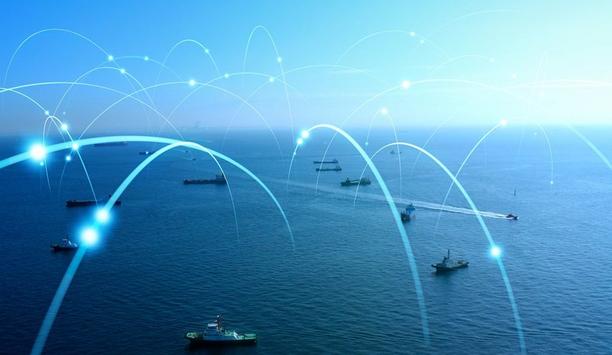
Maritime communications came a long way before they could deliver the first Global Maritime Distress and Safety System (GMDSS). Still, it is fair to say that their forward march has only accelerated in the two-and-a-half decades since. Today, shipping companies rely on satellite connectivity to protect their vessels and people and enable the digitalisation, decarbonisation, and crew-welfare initiatives on which its successes rely. Low-Earth orbit (LEO) networks Against this background, the new generation of low-Earth orbit (LEO) networks has entered the maritime market to great fanfare and expectation from ship owners, and their excitement is justified: LEO satellite coverage has the potential to span the globe, providing exceptional reliability and speed even during long voyages in the most remote locations. This facilitates real-time communication and efficient coordination between vessels and onshore personnel, ultimately supporting more profitable and sustainable fleet operations. Level of connectivity Moral obligations and regulatory requirements aside, providing high-quality crew internet LEO’s introduction into the maritime sphere has been equally well received by seafarers, who stand to benefit from a level of connectivity that keeps them better connected to family and friends than ever before, and to richer entertainment options at sea. Moral obligations and regulatory requirements aside, providing high-quality crew internet represents a wise investment from a competitive standpoint, enhancing as it does an organisation’s ability to attract and retain the brightest talent. Another advantage to seafarers and their employers, LEO connectivity offers stable onboard access to non-leisure services including mental-health support, telemedicine, and online learning resources, helping to keep a crew happy, healthy, and up to speed with the evolving requirements of their job. Limitations For all the benefits of LEO networks, it is important to acknowledge their limitations. For instance, LEO’s promise of delivering worldwide coverage remains to be realised, with certain countries yet to authorise its use in their territorial waters. This means that, depending on the trading route, a ship may encounter multiple LEO-coverage blackspots during its voyage. Susceptible to interference Regardless of the network type being used, vessels still need to compress and throttle data Like many satellite technologies, LEO networks are also susceptible to interference from atmospheric conditions that can disrupt communications, while network congestion at hotspots and drop-out at satellite handover may present additional connectivity challenges. Regardless of the network type being used, vessels still need to compress and throttle data on certain occasions, such as while in port, but LEO networks currently cap utilisation and therefore limit connectivity and availability further. Crew and commercial use In addition, maritime organisations should consider whether their LEO system is for both crew and commercial use. For a vessel deploying LEO connectivity to cover crew and business communications simultaneously, even a terabyte of data is unlikely to go far. Divided among a crew of 25, it equates to 40 gigabytes per person, enough for 13 hours of HD streaming with nothing remaining for commercial requirements. The solution Maritime software including critical communications-based services will need to be compatible with LEO To ensure reliable and consistent connectivity, support enhanced GMDSS communications, and meet the bandwidth needs of all stakeholders, a vessel will require multiple satellite provisions. This means that maritime software including critical communications-based services will need to be compatible with both LEO and more traditional, low-bandwidth networks and be able to switch between connections automatically to ensure uninterrupted service. GTMailPlus GTMaritime’s GTMailPlus, for example, is compatible with all major network types, regardless of bandwidth. Developed with optimisation in the maritime environment in mind, it provides secure and efficient data transfers irrespective of the service or combination of services a shipowner or manager uses. If disruptions do occur, GTMailPlus resumes data transmission from the point of interruption. Risk of a cybersecurity breach There have already been several reported cases of ship owners falling victim to significant cyber incidents As crew freedoms on the Internet increase and more onboard devices are connected to the network, the risk of breaches to cybersecurity is also rising dramatically: effectively, the vessel becomes a larger attack surface. There have already been several reported cases of ship owners falling victim to significant cyber incidents having adopted LEO systems without taking the necessary security precautions. Robust, intelligent, and scalable network Given that ships transfer diverse types of data that often involve critical and sensitive information, the consequences of any breach of vessel operations, safety, and privacy can be severe. Here too, the GTMaritime portfolio is continuously evolving to ensure robust, intelligent, and scalable network protection for owners. AI-based next-gen anti-virus technology In addition to the enhanced security features included in all GTMaritime solutions, enables a holistic approach In the latest partnership with CrowdStrike, GTMaritime’s cyber-security offering combines AI-based next-generation anti-virus technology with end-point detection and response capabilities. This, in addition to the enhanced security features included in all GTMaritime solutions, enables a holistic approach to vessel security. Conclusion LEO networks undoubtedly present a considerable opportunity for the maritime industry and have the power to transform connectivity at sea. However, there are several factors to consider before adopting an LEO system and regardless of advances in technology, optimised solutions for critical communications, security, and data transfer remain essential.
Aiming to establish minimum requirements for the cyber-resilience of newbuild vessels and their connected systems, IACS unified requirements (URs) E26 and E27 provide a new benchmark for shipping’s response to its growing exposure to cyber-attacks. Officially in force from 1 July 2024 and broadly welcomed by industry, the new URs represent another step forward in strengthening Maritime's resilience to the evolving cyber threat. However, according to a thought-provoking discussion recently hosted by Edwin Lampert, Executive Editor of Riviera in partnership with Inmarsat Maritime (a Viasat company), shipping companies must still conduct comprehensive risk assessments and implement appropriate mitigation measures. Vessel’s cyber security They ensure all stakeholders are responsible for the vessel’s cyber security Kostas Grivas, Information Security Officer, Angelicoussis Group told the ‘IACS URs E26 & E27: Bridging the gap between regulation and implementation’ session that the URs bring “obvious benefits” such as eliminating “scattered requirements”. They provide “common and crystal-clear ground for auditing and control purposes”, and establish “a solid description of the minimum technical, procedural, and other criteria that govern a vessel’s cyber resilience,” he said. Finally, they ensure “all stakeholders are responsible for the vessel’s cyber security”. Makiko Tani, Deputy Manager, Cyber Security at classification society ClassNK, also acknowledged that the new requirements will “contribute to the visibility of ever-digitalising shipboard networks and their assets”, however, as there is no one-size-fits all cybersecurity solution to all, she continued, “additional controls beyond those specified in the requirements may be necessary, depending on the vessel’s connectivity”. Digital transformation strategy To properly address the cyber risks that a specific vessel is exposed to, she said, “shipowners must conduct a thorough cyber-risk assessment. This relies on a ‘C-level commitment’ to establishing a cyber-security programme that facilitates compliance with URs E26 and E27 and any other future industry requirements while supporting the organisation’s digital transformation strategy”. The importance of looking beyond the IACS URs was also emphasised by Laurie Eve, Chief of Staff, Inmarsat Maritime, who proposed three key areas where companies should “focus and invest not only to meet new requirements but also to go beyond compliance and build good cyber resilience”. Quality management system and standards The firm should focus on training and grasping, managing user rights, investing in a regime system “The first key area, ‘people and culture’, addresses the notion that people are the weakest link in cyber security. According to a 2023 report from the United States Coast Guard as well as findings from Inmarsat’s security operations centres, phishing is the most common initial access vector in cyber-attacks. Investing in people, therefore, should be an absolute no brainer”, commented Eve. Specifically, he continued, a company should focus on training and awareness, managing user privileges, investing in a quality management system and standards such as ISO 27001, assessing suppliers’ risk-management practices, and embedding cyber-security in the organisation’s continuous improvement culture. Risk-management approach The third and final key area according to Eve is an ‘incident response plan’ (IRP). The second key area is ‘network-connected systems and services’. Given the number of attack surfaces on board a vessel and the ever-growing volumes of data moving between systems, many companies lack the time and resources to address all possible weaknesses. The solution, Eve said, is a risk-management approach in which the organisation assesses the risks, sets its risk appetite, and implements security measures according to the costs it is willing and able to bear. The third and final key area according to Eve is an ‘incident response plan’ (IRP). It’s prudent to assume that at some point there will be failures and a breach, an IRP comprises a robust set of contingencies to keep the cost of business disruption to a minimum. It requires investment in backup and data systems as well as regular staff training. “Having a plan is good; training, rehearsing, and improving the plan is better,” explained Eve. Cyber-security requirements While these recommendations apply to all ship owners, Eve acknowledged that there are differences from small to large operators in terms of the budget and internal capability invested in cyber resilience. “Inmarsat’s Fleet Secure offers a ‘one-stop shop’ for cyber-security requirements which makes it a particularly good fit for “smaller operators without the in-house capability to put together their own solutions”, he said. Inmarsat’s Fleet Secure offers a ‘one-stop shop’ for cyber-security requirements Combining three powerful components – Fleet Secure Endpoint, Fleet Secure Unified Threat Management, and Fleet Secure Cyber Awareness Training – the Fleet Secure portfolio provides the tools and facilitates a risk-management approach, supporting “compliance with the new requirements” and, more broadly, “increasing cyber resilience”, Eve added.
Harbour insights
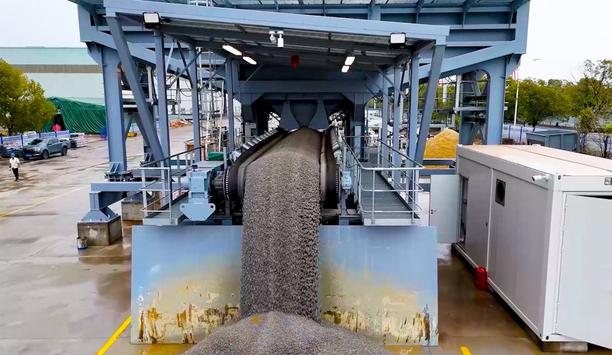
Traditionally, bulk cargo unloading has faced challenges around operational efficiency, safety risks, environmental impacts, and high operational costs. Rough discharges, equipment wear, vibration damage, and limited weather operating windows have all constrained vessel utilisation and performance. Moreover, older unloading systems are energy-intensive and labour-dependent, increasing both costs and environmental footprint. Cargo unloading systems Many bulk cargo unloading systems depend on steep slope angles, which limit the types of materials that can be carried efficiently. MacGregor’s GravityVibe directly addresses this factor by allowing efficient discharge with significantly lower slope angles, thus broadening the range of cargo that can be handled. Many bulk cargo unloading systems depend on steep slope angles. Ship structures and unloading equipment “GravityVibe reduces reliance on gravity alone by augmenting the flow with controlled vibration,” says Mikael Hägglund, Senior Manager, Cranes at MacGregor. “This approach improves operational efficiency, enhances safety through more predictable material flow, and reduces wear on ship structures and unloading equipment.” Challenges of space utilisation and cargo versatility MacGregor is a provider of cargo and load handling solutions to maximise efficiency Additionally, the GravityVibe system will, in most cases, require only one hold conveyor and no cross conveyor in the hold, making the operations both cost-effective and sustainable, says Hägglund. MacGregor, based in Helsinki, Finland, is a provider of cargo and load handling solutions to maximise efficiency of maritime operations. As an augmented gravity self-unloading system, GravityVibe enhances cargo flow using vibration, enabling bulk materials to be discharged efficiently at lower slope angles (15–20 degrees). It reduces material blockages and optimises discharge without requiring steep holds, addressing the challenges of space utilisation and cargo versatility. Mechanical strain on vessel structures The system lessens mechanical strain on vessel structures, and supports safer, smoother, and more efficient operations across different cargo types. “Using lower slope angles allows ships to maximise cargo hold volume and transport a wider variety of bulk materials, including those that would not flow well with conventional systems,” says Hägglund. “It improves operational flexibility.” Integrity of the vessel Vessels benefit from a more compact and efficient hold design, optimising stability and construction Structurally, vessels benefit from a more compact and efficient hold design, optimising stability and potentially lowering construction and maintenance costs, adds Hägglund. “Managing vibration and sound levels is critical for maintaining the structural integrity of the vessel and ensuring crew safety and comfort,” he says. “Excessive vibration can lead to accelerated wear on ship components and fatigue damage over time.” GravityVibe’s design GravityVibe’s design ensures that both vibration and sound levels stay well below class-defined thresholds, preserving vessel longevity and reducing long-term maintenance and repair costs. Bulk cargoes have widely varying properties such as particle size, cohesiveness, moisture content, and chemical reactivity, all of which impact flow behaviour. Sticky, wet, or coarse materials require different unloading strategies to avoid blockages, segregation, or structural strain. Bulk cargoes have widely varying properties like particle size and cohesiveness. Broader spectrum of cargo types Key elements to achieve automation include fine-tuning self-optimisation algorithms GravityVibe’s vibration-driven approach adapts to these material differences, maintaining consistent discharge rates and ensuring operational reliability across a broader spectrum of cargo types without manual intervention or excessive mechanical modification, says Hägglund. More automated systems are on the horizon. Fully automated discharge is rapidly approaching reality, thanks to intelligent unloading systems like GravityVibe. Key remaining elements to achieve automation include fine-tuning self-optimisation algorithms, integrating predictive maintenance solutions, and standardising automation interfaces between vessels and ports. GravityVibe features MacGregor is actively working to refine onboard software, improve material recognition capabilities, and enhance real-time adjustment features. Wider industry adoption and regulatory frameworks are also crucial for achieving fully autonomous and seamless bulk unloading. GravityVibe features a built-in self-optimisation system that uses sensors to monitor material flow characteristics during discharge. Based on live data, it automatically adjusts vibration frequency and intensity to match the properties of each specific cargo, ensuring optimal unloading performance without manual recalibration. MacGregor is working to refine onboard software and improve material recognition. GravityVibe’s performance GravityVibe’s performance has been verified through a combination of laboratory studies MacGregor is fine-tuning this system by gathering real-world data from full-scale test rigs, analysing operational performance across various cargo types, and incorporating feedback loops to continually improve discharge efficiency and system responsiveness. Real-world validation is essential to prove that unloading systems perform reliably under operational conditions. GravityVibe’s performance has been verified through a combination of laboratory studies and full-scale rig testing. In-house tests and studies For example, validation by bulk solids researcher TUNRA showed efficient unloading across diverse materials such as wood chips, manufacturing sand, and gravel. In-house tests and studies with external specialists like KTH have confirmed low vibration levels, consistent discharge flow, and high operational reliability, providing strong evidence for commercial deployment. TUNRA showed efficient unloading across diverse materials such as sand. GravityVibe’s system design GravityVibe’s system design is based on long-lasting parts and improved cargo flow High maintenance requirements traditionally have led to significant downtime and increased operational costs. GravityVibe’s system design is based on long-lasting components and improved cargo flow that reduce risks for failures and needed service, thereby lowering maintenance costs/needs. “With real-time monitoring and smart diagnostics, potential issues can be detected and addressed before they escalate, minimising service interruptions,” says Hägglund. “This proactive approach enhances equipment availability and ensures better operational continuity for vessel operators.” MacGregor GravityVibe system When unloading standard bulk carriers, there is a need to clean the holds with manpower and external machines as the port cranes or the vessel cranes will not be able to empty the holds. The weather could also be a factor for delay in cases where the cargo is sensitive to water. For the MacGregor GravityVibe system, all material will be removed from the hold without any extra efforts. GravityVibe demonstrates that with intelligent use of vibration and lower slope angles can achieve the same — or even better — results. This approach not only enables broader cargo flexibility but also reduces structural stress, energy consumption, and environmental footprint.

The maritime industry is taking important steps to improve cybersecurity, catching up rapidly by introducing other industries' best practices into information technology (IT) and operational technology (OT) onboard vessels. Work remains to be done to ensure a cyber-resilient worldwide fleet of maritime operations. The way forward is through collaboration among all major stakeholders. Remote-controlled and autonomous ships In the future, the marine industry will increasingly use remote-controlled and autonomous ships and infrastructure. One can imagine multi-ship, multi-infrastructure hybrid scenarios where a software failure or a cyber-attack could result in widespread damage. “Protecting this advanced marine industry will drive the need for even higher levels of cybersecurity, reliability, and robustness of marine automation systems and software,” says Svante Einarsson, Head of Maritime Cyber Security Advisory, DNV Cyber. Cybersecurity insights CyberOwl complements DNV Cyber with advanced analytics and threat management for maritime vessels Einarsson shares additional insights into cybersecurity for the maritime industry in our recent interview. DNV expanded its cybersecurity capabilities by acquiring Applied Risk in 2021 and Nixu in 2023, forming DNV Cyber with over 500 experts. This merger enhances maritime cybersecurity by integrating IT and industrial control system security services, offering comprehensive solutions from risk assessment to incident response. CyberOwl complements DNV Cyber with advanced analytics and threat management for maritime vessels, ensuring real-time threat monitoring and support to sustain regulatory compliance. Maritimeinformed.com: What are the cybersecurity vulnerabilities in the maritime market? What are the possible consequences and/or worst-case scenarios? Einarsson: The maritime industry faces several cybersecurity vulnerabilities, including the integration of IT and OT systems, unsecured Internet of Things (IoT) devices, outdated software, weak authentication, and human factors like phishing. The consequences of breaches can be severe, such as operational disruption, data theft, ransomware attacks, cyber-physical attacks, and supply chain disruption. A worst-case scenario includes hybrid incidents that compromise both IT and OT systems at the same time within highly trafficked areas (such as a port). Depending on the available time and alternative means, the vessel might run aground resulting in major oil spills, environmental disasters, and/or significant loss of life. These vulnerabilities and potential impacts highlight the critical need for robust cybersecurity measures in the maritime sector. Maritimeinformed.com: What is the role of regulations when it comes to cybersecurity in the maritime market, including IMO, IACS, and critical infrastructure regulations? How do regulations drive better cybersecurity practices? The EU’s NIS2 directive enforces robust cybersecurity strategies and incident reporting Einarsson: Regulations play a crucial role in maritime cybersecurity by setting global standards and ensuring compliance. The International Maritime Organisation (IMO) mandates cyber risk management in Safety Management Systems, while the International Association of Classification Societies (IACS) requires cybersecurity integration in systems and ships throughout the lifecycle of a vessel for new builds contracted after July 1, 2024. The EU’s NIS2 directive enforces robust cybersecurity strategies and incident reporting. These regulations drive better practices by standardising frameworks, holding organisations accountable, promoting holistic risk management, enhancing transparency, and fostering continuous improvement. This comprehensive regulatory approach forces all stakeholders in the industry (yards, vendors, and ship managers) to act and work together to implement effective cyber resilience. Maritimeinformed.com: How does greater awareness boost cybersecurity? What is the role of near misses in driving cyber awareness and investments? Einarsson: Greater awareness boosts cybersecurity by educating individuals and organisations about potential threats, leading to better prevention and response strategies. It fosters a culture of vigilance, reducing the likelihood of successful attacks. Near misses play a crucial role by highlighting vulnerabilities and demonstrating the potential impact of cyber threats without causing actual harm. These incidents drive investments in cybersecurity by showcasing the need for robust defences, and well-planned responses, and encouraging proactive measures to prevent future breaches. Maritimeinformed.com: What are the pitfalls of over-confidence and under-preparation when it comes to cybersecurity? Einarsson: Overconfidence in cybersecurity can lead to complacency, ignoring potential threats, and underestimating attackers. For example, relying on boundary protection only, and believing that a system is impenetrable might result in neglecting regular updates and patches, leaving it vulnerable to exploits. Under-preparation, on the other hand, means inadequate de fences, response plans, and drills. An example is the 2017 Equifax breach, where failure to patch a known vulnerability led to the exposure of sensitive data of 147 million people. Both pitfalls can result in significant financial and reputational damage. Maritimeinformed.com: What is the role of technology advancements in driving the need and awareness of cybersecurity (e.g., the impact of digitisation, decarbonisation, automation, etc.)? Digitisation and automation support decarbonisation also increase the need for cybersecurity Einarsson: Decarbonisation is one of the key shaping factors in maritime today. Technology advancements like digitisation and automation support decarbonisation but also increase the need for cybersecurity by expanding the attack surface and introducing new vulnerabilities. As industries adopt remote maintenance, IoT, artificial intelligence (AI), and other technologies, the complexity and connectivity of systems grow, making them more susceptible to cyber threats. An example is how scrubber systems with modern technologies such as remote connectivity are retrofitted onboard older vessels today, creating a new and potentially unmanaged gateway to the control systems onboard the vessel. In other words, cybersecurity enables digitisation and decarbonisation. Maritimeinformed.com: What is the labor situation when it comes to the skillsets needed for cybersecurity excellence? Is there a shortage of expertise and how can it be addressed? Einarsson: The cybersecurity industry faces a significant skills shortage, with a very large number of positions unfilled globally. This gap is driven by the rapid evolution of cyber threats and the increasing complexity of digital environments. To address this, organisations should adopt skills-based hiring, offer continuous training and upskilling, and create clear career paths. Attracting diverse talent and collaborating with educational institutions can also help bridge the gap. Emphasising both technical and soft skills is crucial for developing a robust cybersecurity workforce. Many times the best option is to combine different competencies of several people into an aligned team, such as superintendents with OT system and operation expertise with cybersecurity and IT fleet experts. Maritimeinformed.com: What is the emerging role of AI in cybersecurity, such as the ability to anticipate attacks before they happen? AI-driven tools can predict and anticipate attacks by recognising early warning signs, allowing teams to address vulnerabilities Einarsson: AI can significantly enhance cybersecurity teams' effectiveness by providing advanced threat detection and predictive analytics. Machine learning algorithms analyse vast amounts of data to identify patterns and anomalies that may indicate potential cyber threats. AI-driven tools can predict and anticipate attacks by recognising early warning signs, allowing teams to address vulnerabilities proactively. Additionally, AI automates routine tasks, freeing up human experts to focus on more complex issues. Human teams can assess AI-generated results, ensuring accuracy and context, and make informed decisions. Real-time threat intelligence and automated response systems ensure quicker mitigation of incidents, ultimately strengthening the overall security posture and reducing the likelihood of successful cyber-attacks. Maritimeinformed.com: What is the impact of geopolitics on cybersecurity? How does the geo-political situation contribute to risks? Einarsson: Geopolitics significantly impacts cybersecurity by increasing the frequency and severity of cyber-attacks. Conflicts like the Russia-Ukraine war have led to coordinated cyber and hybrid offensives, targeting critical infrastructure globally. Geopolitical tensions contribute to risks by creating an environment where state and non-state actors exploit vulnerabilities and accessible assets for espionage, sabotage, and disinformation. The most obvious related threat in the maritime domain is GPS and AIS spoofing which is very common in military active areas. Incidents have already happened where the untrained crew has had their ship impounded after being misled into foreign state waters.

Augmented reality (AR) is making waves across various industries, and maritime is no exception. For maritime professionals, AR offers practical, real-time solutions that enhance safety, optimise operations, and improve decision-making both at sea and onshore. Whether it’s helping crews navigate complex environments, assisting in ship maintenance, or providing on-the-job training, AR’s ability to blend digital information with the physical world is proving invaluable in the fast-paced and challenging maritime environment. This article explores the benefits, applications, and potential of AR in the maritime industry. Understanding AR and its intent Augmented reality (AR) overlays digital content—such as data, graphics, and 3D models—onto the real-world environment, enhancing users’ perception of their surroundings. Unlike virtual reality (VR), which creates entirely simulated environments, AR supplements the real world with additional information that can be viewed through devices like smartphones, tablets, or AR glasses. Accuracy, efficiency, and safety The core objective of AR in the maritime industry is to create a more intuitive and information-rich working environment In the maritime context, AR intends to enhance the accuracy, efficiency, and safety of various operations. By providing real-time data and visuals, AR allows maritime professionals to make better-informed decisions, whether they’re navigating a vessel through busy waters, inspecting machinery, or managing cargo in a port. The core objective of AR in the maritime industry is to create a more intuitive and information-rich working environment, reducing risks, preventing errors, and increasing operational efficiency. AR applications in maritime operations One of the most significant applications of AR in the maritime industry is in navigation. AR can assist ship officers by overlaying critical navigation data—such as chart information, vessel traffic, weather conditions, and obstacles—directly onto the real-time view of the sea. This helps enhance situational awareness, particularly in congested waterways or during low-visibility conditions like fog or storms. With AR, navigators can visualise information directly in their line of sight, minimising the need to shift focus between different instruments or screens. Maintenance and repair operations Maintenance and repair operations are another area where AR has proven to be highly effective. Technicians can use AR glasses or tablets to access real-time information on ship components, including interactive 3D models, schematics, and procedural guides. This allows for faster and more accurate repairs, reducing downtime and the need for specialised training. AR can also connect remote experts with on-site technicians, enabling real-time support and troubleshooting. Training and simulation Crew members can undergo immersive training sessions where they interact with AR-enhanced environments Training and simulation are other critical areas benefiting from AR. New crew members can undergo immersive training sessions where they interact with AR-enhanced environments, practicing tasks such as emergency procedures or cargo handling in a risk-free setting. This improves skill retention and reduces the time required to get new hires up to speed. In ports, AR can assist with cargo management by displaying real-time data on container contents, destination, and status. This streamlines the loading and unloading process, reducing errors and improving overall port efficiency. Benefits of AR for maritime stakeholders The integration of AR technology delivers a wide array of benefits to different maritime stakeholders, from shipowners and operators to port managers and regulators. For shipowners and operators, AR enhances the safety and efficiency of vessel operations. Improved navigation capabilities lead to fewer accidents, while real-time maintenance support reduces the risk of machinery failures and extends equipment lifespan. Immersive, on-the-job learning experiences Additionally, AR can cut training costs by providing immersive, on-the-job learning experiences that don’t require expensive simulators or extended training periods. Port operators also benefit from AR technology. Enhanced cargo management, optimised logistics, and real-time tracking of goods improve turnaround times and reduce operational bottlenecks. With AR’s ability to overlay data onto physical containers or equipment, ports can achieve greater accuracy in inventory management and resource allocation. Real-time data and augmented visuals AR can streamline the inspection process, ensuring that ships and ports meet regulatory requirements For manufacturers and engineers, AR enables the visualisation of complex equipment and components in a real-world context. This can facilitate better communication between shipbuilders, designers, and engineers, leading to more accurate construction and faster problem-solving when issues arise. Regulators and maritime authorities can use AR to improve safety inspections and compliance checks. By providing inspectors with real-time data and augmented visuals, AR can streamline the inspection process, ensuring that ships and ports meet regulatory requirements more efficiently. Encouraging Collaboration Across the Maritime Ecosystem One of the most exciting aspects of AR is its potential to foster collaboration among various maritime stakeholders. By connecting on-site personnel with remote experts through AR-enabled devices, maritime operators can access specialised knowledge without requiring experts to be physically present. This promotes better teamwork across geographical distances, improving problem-solving and decision-making in real-time. Reduces downtime For example, when a ship experiences technical issues in a remote location, AR allows an engineer onshore to guide a crew member step-by-step through the repair process, using visual overlays and interactive tools to ensure accuracy. This reduces downtime and ensures that operations can continue without the need for costly or time-consuming travel. Reduces errors By combining AR with digital twin technology, maritime professionals can access real-time digital replicas Collaboration is also enhanced in ship design and construction. AR allows shipbuilders, designers, and engineers to visualise and manipulate 3D models in a real-world environment, making it easier to collaborate on complex projects and reduce errors during the construction phase. Moreover, AR can integrate with broader industry initiatives, such as digital twins and automation. By combining AR with digital twin technology, maritime professionals can access real-time digital replicas of ships or port equipment, enabling more effective monitoring, predictive maintenance, and resource management. Misconceptions and challenges in adopting AR Despite its potential, some misconceptions about AR remain within the maritime industry. One common misconception is that AR is solely for high-tech, cutting-edge operations and isn’t suitable for traditional maritime businesses. However, AR technology is highly scalable, and its applications can be adapted to a wide range of maritime operations, from small vessels to large container ships and ports. Another misconception is that AR requires significant upfront investment in expensive hardware and software. Long-term savings While initial costs can be high, particularly for advanced AR glasses and devices, the long-term savings in operational efficiency, reduced training times, and improved safety often outweigh these costs. Additionally, more affordable AR solutions are emerging, making the technology accessible to a broader range of operators. Enhance focus and reduce cognitive load AR devices could create, particularly in high-stress environments like ship navigation or cargo handling There are also concerns about the potential distraction that AR devices could create, particularly in high-stress environments like ship navigation or cargo handling. However, when implemented thoughtfully, AR is designed to enhance focus and reduce cognitive load by delivering critical information directly to the user’s line of sight, rather than requiring them to divert attention to multiple screens or devices. Coordinating AR with Industry Initiatives and Future Trends AR is increasingly being integrated with other technological advancements in the maritime sector, including automation, the Internet of Things (IoT), and digital twin technologies. By providing real-time insights and data visualisation, AR can help facilitate the use of autonomous ships and enhance the monitoring and management of connected maritime systems. As the industry continues to prioritise sustainability, AR can also play a role in promoting greener practices. By optimising navigation routes and improving fuel efficiency, AR can help ships reduce emissions and minimise their environmental impact. AR-enhanced training As the technology continues to evolve, its applications will expand, offering new ways to improve safety Furthermore, AR-enhanced training can focus on eco-friendly practices, reinforcing the maritime industry’s commitment to sustainability. Looking forward, AR will likely play a crucial role in the future of maritime operations. As the technology continues to evolve, its applications will expand, offering new ways to improve safety, efficiency, and collaboration across the industry. AR navigating the challenges of the 21st century Augmented reality is poised to become a transformative tool in the maritime industry, offering tangible benefits in safety, operational efficiency, training, and collaboration. By integrating AR technology into maritime operations, professionals can stay ahead of industry challenges, enhance decision-making, and foster greater collaboration across the global supply chain. With the right approach, AR will not only improve day-to-day operations but also help future-proof the maritime industry as it navigates the challenges of the 21st century. {##Poll1732855978 - What area of maritime operations do you think would benefit the most from augmented reality (AR)?##}
Case studies

San Francisco-based maritime technology company - Sofar Ocean announces a partnership with the U.S. Naval Meteorology and Oceanography Command’s (CNMOC) Fleet Weather centres in Norfolk (FWC-N) and San Diego (FWC-SD). Wayfinder platform FWC-N and FWC-SD, the Navy’s two primary weather forecasting centres, are piloting Sofar’s Wayfinder platform to support the routing of naval vessels at sea. The FWCs are utilising Wayfinder to identify safe and efficient route options powered by real-time ocean weather data for Military Sealift Command (MSC) ships. Situational awareness Tim Janssen, Co-Dounder and CEO of Sofar, said, "Wayfinder will empower the Navy to enhance situational awareness at sea and leverage data-driven optimisation to continuously identify safe and efficient routing strategies." He adds, "Powered by our real-time ocean weather sensor network, Wayfinder will help the Navy scale its routing operations to support a heterogeneous fleet operating in conditions made more extreme by the effects of climate change." CRADA The platform displays real-time observational data from Sofar’s global network of Spotter buoys The Navy is evaluating Wayfinder under CNMOC and Sofar’s five-year Cooperative Research and Development Agreement (CRADA) signed in July 2023. Wayfinder reduces manual tasks for forecasters and routers by automatically generating a forecast along a vessel’s route. The platform displays real-time observational data from Sofar’s global network of Spotter buoys to reduce weather uncertainty for route optimisation, and predict unwanted vessel motions during a voyage. Real-time wave and weather observations The availability of accurate real-time wave and weather observations helps Captains and shoreside personnel validate forecast models and examine multiple route options more efficiently, streamlining a historically complex and arduous process. Lea Locke-Wynn, Undersea Warfare Technical Lead for CNMOC’s Future Capabilities Department, said, "A key focus area for the Naval Oceanography enterprise is fostering a culture of innovation through collaboration with our commercial partners." Vessel-specific guidance Lea Locke-Wynn adds, "Our ongoing CRADA with Sofar Ocean is a perfect example of how our partnerships can leverage the leading edge in industry to further Department of Defence operations." As the number of naval vessels at sea, including experimental and autonomous ships, continues to increase, forecasters and routers will have less time to spend manually producing vessel-specific guidance. Automated forecast-on-route guidance More efficient routing empowers FWC personnel to focus on challenging, mission-critical tasks Wayfinder helps fill this operational gap, enabling FWC-N and FWC-SD to more efficiently support a large fleet in real-time with automated forecast-on-route guidance. More efficient routing empowers FWC personnel to focus on challenging, mission-critical tasks that require their unique expertise. Streamlined decisions Captain Erin Ceschini, Commanding Officer, FWC-SD, stated, "By using Wayfinder, we’re able to better visualise our ships’ routes, and make safer and more streamlined decisions on route, speed, and heading." Captain Erin Ceschini adds, "Wayfinder has the potential to be a critical component of our day-to-day operations and a key driver of safe routing as we contend with an increasingly unpredictable weather landscape."

Strengthening trade relations and promoting collaboration between Valenciaport and China. This is the objective with which the Port Authority of València has traveled to China to participate in the 8th edition of the Maritime Silk Road Port International Cooperation Forum 2024, held from June 26 to 28, 2024 in Ningbo (China). The value proposition of the Valencian enclosure as a green, intelligent and innovative HUB of the Mediterranean has been the common thread of the presentation of the PAV in this forum. Advantages of Valenciaport as a strategic port Mar Chao has also described the strategic importance of Valenciaport for the Chinese market During the event, Mar Chao, President of the PAV, had the opportunity to present the competitive advantages of Valenciaport as a strategic port in the center of the Mediterranean (through which 40% of Spanish import/export is channeled) at the service of the business fabric of its area of influence and a link in the logistics chain. Mar Chao has also described the strategic importance of Valenciaport for the Chinese market as a key point of direct connection with Europe that promotes a green growth, market-oriented, with maximum efficiency in services and a complete logistic and multimodal integration. Commercial capacity of Valenciaport During her conference, the President also highlighted the commercial capacity of Valenciaport, with an area of influence of more than 2,000 kilometres that maintains a direct relationship with the main international ports. Cristina Rodríguez, Head of Containers of Valenciaport, accompanies Chao in the forum. Both have held business meetings with Asian companies and institutions, including the new president of the Port of Ningbo, Tao Chengbo. In the framework of this meeting, the representatives of Valenciaport and the Port of Ningbo have signed a memorandum of understanding (MOU) with the aim of strengthening their commercial collaboration. Silk Road Port and Maritime Cooperation Forum The Silk Road Port and Maritime Cooperation Forum of Ningbo (China) in which Valenciaport participates is a platform for open exchange and mutual learning in port development and maritime transport, within the framework of the Belt and Road Initiative. From a respect for the uniqueness of each participating port, the Forum is seen as a tool to foster collaboration in various fields to build bridges between supply and demand in business, investment, technology, talent, information, ports and cultural exchange.
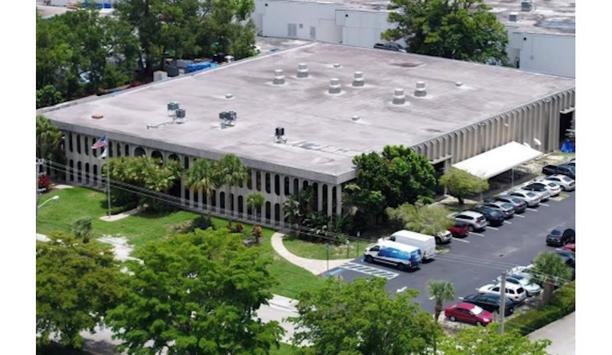
Bennett Marine, a Division of Yamaha Marine Systems Company, needed a solution that integrated solar energy generation and mechanical upgrades to optimise both sustainability and working environment outcomes. However, adding the cooling capacity needed by a large warehouse, and the employees working there, during the long Floridian summers could significantly increase the utility load on the building. Solution Bennett Marine’s management approached its outsourced service provider, ABM. Having successfully completed two lighting upgrades on site, and acting as the current janitorial service provider, ABM took Bennet Marine’s request to its Infrastructure Solutions team. ABM’s Infrastructure Solutions designed an energy-efficient HVAC system supported by a rooftop solar PV array that offset utility costs with renewable energy, leading to a net 58% reduction in total utility usage for the building. ABM also assisted in securing tax credits and energy incentives for the project, as well as a new roof for the facility with additional building envelope improvements. Finding a better solution for the client ABM provides a consultative approach to help clients achieve sustainability goals, enable capital improvements" “Service experts across our company worked together to solve a need and deliver the sustainability solution Bennett Marine needed,” said Mark Hawkinson, President of ABM Technical Solutions. He adds, “ABM provides a consultative approach to help clients achieve sustainability goals, enable capital improvements, improve indoor air quality, address waste and inefficiency, and create a positive impact for communities.” In addition to the new roof, net energy offset, and improved cooling, ABM was able to assist the project in receiving an estimated $226,000 in tax credits and $224,000 in Energy Incentives through the Federal MACRS (Modified Accelerated Cost Recovery System). Benefits ABM’s Infrastructure Solutions enable businesses to invest in critical infrastructure needs and achieve sustainability, security, and resilience goals. A custom energy program drives costs out of operating budgets and redirects savings to critical needs, helping fund improvements. Highlights of the project for the Deerfield, Florida, warehouse include: Projected energy cost savings in the first year of $12,701 Replacement of ageing roof and speed roll doors to reduce energy loss Solar panel installation is capable of offsetting 66% of the building’s utility use

At Scheveningen Harbour in the coastal city of The Hague in the Netherlands, an AI-based video security system from Bosch Building Technologies is now ensuring that every single ship or boat entering or leaving the harbour is logged. The customised solution developed by Bosch together with its partner BrainCreators automatically registers and classifies shipping traffic. Intelligent security solution Until now, employees at the port control centre had to keep an eye on shipping traffic around the clock from the window of the control centre and manually record the 80 or so vessels that pass through the port every day. The city council of The Hague to quickly find a tailor-made solution for the port of Scheveningen The reason for the investment in the intelligent security solution was the fear that criminals would seek alternative routes via smaller ports such as Scheveningen, now that large Dutch or Belgian ports such as Rotterdam and Antwerp have been more secure against smuggled goods for some time. This was reason enough for the city council of The Hague to quickly find a tailor-made solution for the port of Scheveningen. Challenging task in Scheveningen Special conditions require individual solutions Most boats and ships entering the port of Scheveningen are not required to register and, unlike purely commercial ports such as Rotterdam, the port cannot simply be closed off. In addition to cargo ships, there are also fishing boats and private sailing yachts at anchor, with small dinghies and rowing boats cruising between them. Keeping track of the movement of goods in particular is therefore a challenging task in Scheveningen, where the video security system with intelligent video analysis installed by Bosch provides welcome support. Author's quote The requirements for this project were very specific because the shipping traffic not only had to be filmed" "The requirements for this project were very specific because the shipping traffic not only had to be filmed, but also registered and classified. The solution also had to provide information about the speed of travel," says Niels van Doorn, Senior Manager Solutions & Portfolio at Bosch Building Technologies in the Netherlands. "Standard software can't do that. Together with our partner, we have therefore developed an AI that can identify and classify ships of all kinds–from passenger ships and freighters to sailing yachts and inflatable boats." This data aids in identifying suspicious shipping movements. Flexidome IP starlight 8000i cameras No sooner said than done – and in the shortest possible time Development, planning and implementation only took around 12 months. Two intelligent video cameras at the mouth of the harbour now record the traffic. The specially developed AI classifies the ship types and registers them in a file. Due to the difficult lighting conditions in the port, the Flexidome IP starlight 8000i cameras from Bosch were chosen. They deliver detailed images even in challenging weather and lighting conditions and enable the staff in the control centre to see every detail, even in very bright or dark image sections. Ships that are not seen in real-time by the personnel on duty appear as still images on the screen All boat identifiers are recorded, documented, stored and automatically provided with additional information on date and time, direction of travel and speed around the clock using AI. The streams from the cameras are fed directly into a video management system. Ships that are not seen in real-time by the personnel on duty appear as still images on the screen. By analysing all the data, peak times, ship types, trends and deviations from the norm are determined. New video documentation "The dashboard gives staff an overview of all activities in the port. The software protects the privacy of the people recorded by making their faces unrecognisable. The new video documentation now provides solid evidence and helps to identify suspicious and unusual situations more quickly and effectively," says Ferry Ditewig, Business Development Manager at Bosch Building Technologies in the Netherlands. The video solution is also well equipped for future challenges and can be flexibly expanded as required: for example, additional information from external sources could be integrated, such as meteorological data, tides or the automatic identification system (AIS) for exchanging ship data.

Wärtsilä ANCS, part of technology group - Wärtsilä, has delivered to Seaspan, a marine transportation and shipbuilding company, cutting-edge autonomous SmartDock capabilities to the seas. This delivery marks a significant step towards autonomous docking and undocking operations, making maritime activities safer and more efficient. The SmartDock system developed by Wärtsilä ANCS enables Seaspan to perform autonomous docking manoeuvres even in challenging conditions, where currents reach up to two knots. With its advanced technology, SmartDock guarantees consistent, safe, and predictable docking and undocking manoeuvres every time, reducing the need for intensive interaction from the vessel’s captain. Wärtsilä ANCS's laser sensor Wärtsilä ANCS’s scope of work, which was signed in 2021, has fed the liberated SmartDock system Wärtsilä ANCS’s scope of work, which was signed in 2021, includes providing the autonomous SmartDock system, including track development for autodocking at Tilbury, Duke Point, and Swartz Bay ports in Canada. Notably, the SmartDock system employs an advanced UKF (Unscented Kalman Filter) estimator, combining sensor measurements from various sources, such as GNSS (Global Navigation Satellite System) and Wärtsilä ANCS's laser sensor Cyscan AS, to calculate precise position and rate estimates of the vessel's motion. Advanced controller allocates thrust and steering commands This data is then compared to a preprogrammed ideal trajectory of the vessel, and the advanced controller allocates thrust and steering commands, ensuring safe and consistent autonomous docking and undocking manoeuvres. The commissioning of the Seaspan Trader cargo vessel has just been completed, with the Seaspan Transporter cargo vessel scheduled to be commissioned in late 2023/early 2024. These vessels, equipped with the SmartDock system, will operate in the waters of British Columbia, Canada. Wärtsilä and Seaspan partnership “Wärtsilä ANCS is excited to continue supporting Seaspan and build on an already strong working relationship. We look forward to the potential implementation of the SmartDock product across some other vessels in Seaspan's ferry fleet, further advancing the automation and efficiency of maritime operations,” commented Klaus Egeberg, Director, Dynamic Positioning, Wärtsilä ANCS. “Seaspan is proud to lead the charge in this technological advancement in vessel manoeuvring. The integration of Wärtsilä ANCS's SmartDock system into Seaspan Trader exemplifies our unwavering commitment to excellence and innovation in maritime operations,” says Alexander Treharne, Integration Engineer, Seaspan.

Båtbygg AS has placed an order with Teknotherm for a complete ammonia freezing system for Austral Fisheries’ new longline fishing vessel. The vessel is designed by Marin Teknikk AS for operation in the Antarctic Ocean, surrounded by some of the world’s harshest weather conditions. Teknotherm freezing system The newbuild no. 009 and named ‘Austral Odyssey’ will have a length of 70 metres The newbuild no. 009 and named ‘Austral Odyssey’ will have a length of 70 metres and a breadth of 14.6 metres. Delivery of the ship will be in December 2025. Freezing-in of products will be by blast freezers and plate freezers, all served by the ammonia freezing machinery, which will also keep the storage hold and bait hold at low temperature. Austral Fisheries Austral Fisheries owns and operates one of Australia’s largest fleets of fishing vessels. The fleet consists of 18 vessels with different areas of operation and catch, from toothfish in the south to prawns and tropical reef fish in the north. Austral Fisheries took delivery of the fishing vessel MS ‘Cape Arkona’ from Båtbygg AS in 2020, which also features a complete freezing system from Teknotherm, and they are proud to once again be chosen as a supplier to Båtbygg and Austral Fisheries.
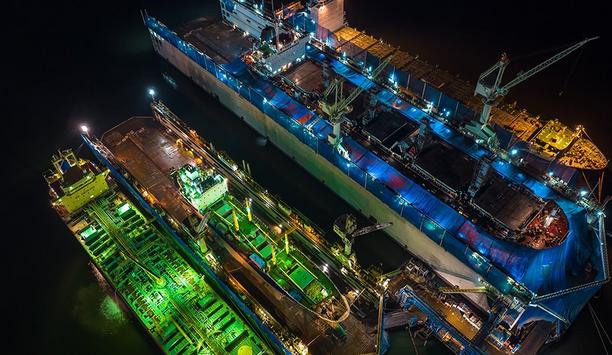


Fleet planning as a strategic asset
Download