Big data

The safety and efficiency of offshore oil & gas operations have always depended on the weather – but now operators are navigating far more volatile conditions, in deeper waters and harsher environments than ever before. In this new operating reality, data-driven weather intelligence is becoming a powerful enabler, helping companies stay ahead of fast-changing conditions and make confident decisions as operational windows tighten, says StormGeo. “Offshore operators are...

ABS issued approval in principle (AIP) to Hanwha Ocean Co. Ltd. for remote control functions for floating production storage and offloading (FPSO) units. ABS completed design reviews based on the ABS Requirements for Autonomous and Remote-Control Functions. Offshore Technology Collaboration Agreement (OTCA) The project is part of the Offshore Technology Collaboration Agreement (OTCA) between ABS and Hanwha Ocean, which enables the companies to collaborate on a series of cutting-edge projects...

As the maritime industry prepares to enter 2026, technology group Wärtsilä has identified four important trends that will affect global shipping in 2026. From the rise of digitalisation and big data to the growing importance of flexible decarbonisation strategies, these trends are set to redefine competitiveness, efficiency, and sustainability for vessel owners and operators worldwide: Lifecycle optimisation: With rapid technological advances and evolving regulation...

DNV has awarded Jiangnan Shipyard an Approval in Principle (AiP) for its Jiangnan Intelligent System JNIS (DATA) under the D-INF(S) class notation. Jiangnan received the recognition for their standardised onboard data platform which is aligned with ISO 19847 and ISO 19848. The accelerating digital transformation of the maritime industry depends on trusted, high-quality data collected systematically from sensors, control systems, and other onboard sources. But as vessels generate increasingly la...

LOOKOUT, the AI pioneer in marine safety, announced exclusive rebate offers on the purchase of LOOKOUT Camera Systems to customers of various industry partners, such as FLIR, Sea Tow and Starlink. Qualifying customers will be eligible for a $1,000-$1,500 rebate following the installation of one of LOOKOUT’s award-winning camera system designed to detect hazards beyond human capability. LOOKOUT system installation The LOOKOUT system installs easily on existing vessels with three componen...

ABS issued a product design assessment (PDA) certificate to Samsung Heavy Industries for its condition-based maintenance system, SCBM. The SCBM system has earned a SMART (MHM) Tier 2 PDA from ABS, signifying that it meets the functional and system requirements listed in the ABS Guide for Smart Functions for Marine Vessels and Offshore Units. ABS’s comprehensive standards This achievement highlights the system’s compliance with ABS’s comprehensive standards for innovativ...
News

Raymarine, a global pioneer in high-performance marine electronics, recently entered a strategic collaboration with The Nippon Foundation-GEBCO Seabed 2030 Project – an ambitious global initiative to inspire 100% of the world’s ocean floor mapped by the year 2030. Raymarine and Seabed 2030 announced the collaboration at the recent Ocean Floor Explore symposium hosted by Map the Gaps and COAST. Ocean Floor Explore brings together industry, technology and philanthropy to promote cross sector collaboration to overcome the obstacles of deep ocean discovery. Launched in 2017, Seabed 2030 is a collaborative effort between The Nippon Foundation and GEBCO (General Bathymetric Chart of the Oceans), and is an officially endorsed program of the United Nations Decade of Ocean Science for Sustainable Development. Raymarine sonar systems The project aims to compile all available bathymetric data into a freely accessible map of the global seafloor, supporting marine conservation, climate modeling, tsunami forecasting, and sustainable ocean resource management. As part of this collaboration, Raymarine is contributing a unique dataset of crowdsourced bathymetric recordings collected from thousands of vessels equipped with Raymarine sonar systems. This data, gathered from real-world usage across the globe, will enhance the resolution and coverage of existing seafloor maps, particularly in under-surveyed coastal and offshore regions. “We’re proud to support Seabed 2030 in its mission to accelerate the complete mapping of the world’s oceans,” said Grégoire Outters, General Manager at Raymarine. “This collaboration reflects our commitment to safer navigation, better science, and a more sustainable future for the maritime industry.” Crowdsourced bathymetric data “Raymarine’s contribution of crowdsourced bathymetric data is a powerful example of how industry can accelerate our understanding of the ocean floor,” said Jamie McMichael-Phillips, Director of the Seabed 2030 Project. “We welcome their support and look forward to the impact this data will have on our global mapping efforts.” The Nippon Foundation, a private philanthropic organisation based in Tokyo, has been the principal funder of GEBCO’s capacity-building and mapping initiatives for over two decades. Through its support of Seabed 2030 and the GEBCO-Nippon Foundation Training Program at the University of New Hampshire, it has helped train over 100 ocean mappers from more than 45 countries. To date, only 27.3% of the world’s seafloor has been mapped to modern standards. Seabed 2030 aims to close this gap by 2030 through international collaboration, open data sharing, and innovative partnerships like this one.

KR (Korean Register) has launched two new digital platforms, PILOT (Platform for Insightful LOw-emission Transitions) and POWER (Performance evaluation for Operational characteristics, Weather & aging Effect and fuel consumption Review), designed to support the shipping industry in developing optimal carbon-reduction strategies and enhancing operational efficiency. As the EU’s greenhouse gas regulations, EU ETS and FuelEU Maritime, are already in force, the delay in the International Maritime Organization’s (IMO) adoption of its Net-Zero Framework has heightened uncertainty over future global regulatory developments. KR’s new platforms Amid this complex landscape, shipping companies are seeking solutions that can help them evaluate various emission-reduction options and operational strategies based on objective data, while considering both cost and regulatory risks. Developed in response to these industry needs, KR’s new platforms enable efficient and data-driven decision-making for sustainable fleet management. Vessel’s technical specifications PILOT allows users to design and assess customised greenhouse gas (GHG) reduction scenarios using each vessel’s technical specifications and operational data. The platform automatically calculates vessel-specific emissions and compliance costs based on actual emission data reported to the IMO and the EU, while evaluating the cost-effectiveness and reduction potential of introducing energy-saving devices (ESDs) and alternative fuels to recommend the most viable strategies. It also supports the establishment of mid- to long-term plans by simulating possible future regulatory developments. Vessels’ current operational status Meanwhile, POWER visualises ship performance and fuel efficiency by analysing data from the Automatic Identification System (AIS) along with weather and ocean condition information. This helps ship operators easily understand their vessels’ current operational status and identify areas for improvement, enabling them to formulate optimal, data-driven voyage strategies. Emission-reduction strategies LEE Hyungchul, Chairman & CEO of KR said, “The shipping industry is facing the dual challenge of establishing practical emission-reduction strategies while improving operational efficiency under a changing regulatory environment." "PILOT and POWER embody KR’s accumulated expertise and data-driven analytical capabilities, providing shipowners intelligence that enables informed decisions and promotes the sustainable development of the maritime sector.” KR-PILOT and KR-POWER are available through KR’s integrated digital service platform, KR-DAON.

Maritime technology pioneer Orca AI has launched Co-Captain, a groundbreaking new function in its operational platform. For the first time, vessels can share data with each other, in real time, to optimise navigation. This new capability allows them to be better prepared for real-time events and emerging risks, anticipate hazards early and navigate with higher confidence. Fast expanding fleet By connecting a growing network of 1,000 Orca AI-installed vessels, with hundreds more set to join, Co-Captain turns every ship into both a sensor and source of awareness. Together they share and receive verified alerts based on real-time conditions, enriched with external data such as weather, vessel traffic and local regulatory feeds. Building on Orca AI’s advanced computer-vision technology, Co-Captain fuses these fragmented inputs into a single layer of collective intelligence. The result is a constantly evolving picture of each vessel’s route that keeps crews ahead of risk. Crowdsourced navigational engine “This could very well be the most accurate crowdsourced navigational engine in shipping,” said Yarden Gross, CEO and Co-Founder of Orca AI. “Every addition to the fleet strengthens that shared awareness, enhancing how ships anticipate risk and support one another. Given that 90% of world trade goes by sea, this kind of collaborative navigation is no longer optional – it’s a safety, environmental and security imperative.” Trusted global network Each Orca AI-equipped vessel acts as a node in a trusted global network, continuously detecting high risk targets, including non-AIS targets such as fishing vessels, small craft and navigational hazards like fishing nets. Each vessel continuously uploads data to the cloud, where it is processed to trigger relevant alerts based on specific events. These alerts can include high traffic (congested waters), GPS interferences, severe weather and more. Alerts are sent to vessels on intersecting routes, enabling timely adjustments to speed, course or watchkeeping, helping crews stay safe and in control. “The database constantly updates what is happening on global routes, empowering officers to make more resilient navigational decisions,” Gross adds. “All data is fully anonymised, with only the location and observed conditions reported, ensuring complete privacy.” Route-based notifications Co-Captain delivers verified, route-based notifications tailored to each vessel's exact operational context, including: Congested waters: Alerts based on live traffic density and recent close encounters, enabling early speed or course adjustments, or an additional OOW to be assigned. Severe weather: Real-time warnings, including Beaufort Scale readings and visibility data, enables crews to prepare well in advance. GNSS interference: Any satellite signal interference detected by other Orca AI vessels is relayed in real time, allowing crews to re-route or rely on alternative navigation methods. Warnings about areas prone to spoofing and interference are also sent. Piracy zones: Alerts before entering high-risk areas, prompting activation of security protocols and increased vigilance. Environmental compliance: Automated updates on whale sightings and early alerts prior to entering whale-protection zones, emission-control areas and local speed limits, giving crews time to prepare in advance to ensure full regulatory adherence. Navigational hazards: Buoy shifts, unmarked obstacles, ice, man-overboard incidents and pollution can be reported between vessels. Co-Captain also relays critical updates on temporarily closed or restricted areas. Measurable financial value Beyond safety and compliance, Co-Captain delivers measurable financial value. By enabling crews to anticipate and avoid disruptions, ships can reduce potential costly delays, optimise fuel consumption through smoother route adjustments, and minimise incident-related downtime. As the Orca AI-equipped network grows, these efficiencies scale exponentially, transforming safety intelligence into a direct return on investment across entire fleets. Next-generation situational awareness With over 100 million NM of data collected and counting, Orca AI’s dataset forms an unmatched foundation for next-generation situational awareness. Every data point strengthens the model, refining detection accuracy and predictive power over time. “What we’re building is a living, evolving ecosystem,” adds Gross. “Each vessel becomes a key link in a safety chain that keeps crews connected and ahead of risk."

Unseenlabs, the French specialist in space-based radio frequency (RF) detection, announces the upcoming launch of its new satellites, BRO-17 and BRO-20. The mission, titled “LEVEL TWENTY,” is scheduled for liftoff in partnership with Exolaunch, a satellite integration provider, in November from Vandenberg Space Force Base, California, aboard SpaceX’s Transporter-15 rideshare mission. Expansion of BRO satellite constellation With the launch of BRO-17 and BRO-20, Unseenlabs is set to reach a new milestone in the expansion of its BRO satellite constellation. This achievement undercores the growing maturity of a system that has become a global benchmark in space-based RF detection. Thanks to its exclusive technology, Unseenlabs can detect and locate all types of vessels, including those absent from traditional monitoring systems, by intercepting their electromagnetic emissions. Monosatellite detection approach Founded in 2015, Unseenlabs has established itself as an international pioneer, already selected by the European Space Agency (ESA) as part of the Copernicus Contributing Missions program. Its technology relies on a monosatellite detection approach: unlike other systems that require multiple sensors, a single satellite is sufficient to geolocate a signal emitter. This architecture enables the delivery of fast, lightweight, and easily exploitable data, covering on average 300,000 km² per satellite pass and performing several thousand RF detections per day. Unseenlabs’ campaigns This capability has become essential for governments and private stakeholders facing challenges such as illegal fishing (IUU), marine pollution, and trafficking. In the Bay of Bengal, one of Unseenlabs’ campaigns revealed that nearly 10% of detected signals were not reported in traditional monitoring systems. In the Pacific Ocean, within the so-called High Seas Pockets, that number rose to 47%, underlining the scale of unseen maritime activities. Next generation of satellites “The launch of BRO-17 and BRO-20 represents a major milestone for Unseenlabs and the robustness of our technology,” said Clément Galic, CEO and Co-Founder of Unseenlabs, adding “Our satellites already provide decision-makers with crucial data to fight illegal fishing, monitor sensitive areas, and better understand strategic maritime dynamics. This launch also paves the way for our next generation of satellites, which will extend RF detection to land and space domains.” Broader range of signals Starting in 2026, Unseenlabs will deploy its second generation of satellites. This evolution will enable the detection of a broader range of signals, expanding RF monitoring capabilities beyond maritime to land and space domains. With this transition, the company will strengthen its position as a pioneer in space-based RF intelligence and take a decisive step toward multi-domain monitoring.

ABS and Siemens Digital Industries Software (DISW) have signed a memorandum of understanding to accelerate the digital transformation of maritime classification processes across ship design and construction. The collaboration will also advance product lifecycle management (PLM) technology to enhance efficiency, data integrity and regulatory compliance throughout the vessel life cycle. Digital twin and simulation capabilities The MOU establishes a framework for both organisations to collaborate on projects, such as Class Rule application during 3D design, model-based verification and digital twin integration, secure data exchange between ship designers and Class along with joint research projects and workshops. The agreement will leverage the ABS PLM platform, ABS Freedom™, and Siemens DISW’s Xcelerator platform to align with maritime regulations, specifically targeting its digital twin and simulation capabilities for compliance and classification in the marine sector. Integral part of ship design and building workflow “As a global pioneer in maritime classification services, ABS is proud to join forces with Siemens, a world pioneer in AI-powered PLM software, to develop collaborative interfaces that use enhanced data-driven tools for design decision making and digitally streamline our Class operations,” said Patrick Ryan, ABS Senior Vice President and Chief Technology Officer. “As the classification process is an integral part of ship design and building workflow, we understand the high importance of it. That is why we are delighted to sign an MOU with ABS to explore and establish a strategic collaboration aimed at accelerating and adapting the digital transformation of maritime classification processes,” said Joe Bohman, Executive Vice President, PLM Products, Siemens Digital Industries Software.

Oceanology International, the world’s major forum for ocean science, engineering and technology, has announced an extended opportunity for industry pioneers and professionals to submit proposals for its renowned conference programme at next year’s event. Oi26 technical sessions The Oi26 technical sessions are promising once again to deliver inspirational and insightful discussion, which defines the future of ocean technology and drives real-world change across global marine and offshore sectors. Following a strong response to its initial Call for Content, Oi organisers have set a new submission deadline of Tuesday, 28th October to provide additional time for more researchers, technologists, scientists, engineers and organisations to send in their abstracts and secure a place on stage in front of hundreds of visitors and attendees at London’s ExCeL. Elite lineup of esteemed experts An elite lineup of esteemed experts and high-profile industry leaders have already confirmed to host, present and moderate during the three-day conference from 10th to 12th March. Participants for 2026 include representatives from the Environment Agency, the MET Office and the OECD (Organisation for Economic Co-operation and Development), plus company directors and founders from leading maritime industry associations and companies, such as electric propulsion innovators RAD. Submissions welcomed on varied topics Submissions are welcomed on topics including: Ocean Observation & Measurement; Marine Pollution Mitigation & Prevention; Maritime Domain Awareness; Offshore Energy, Marine Data, Analytics & AI; Underwater Communication & Navigation; Uncrewed Vehicles & Vessels, Hydrography, Geophysics & Geotechnics; Offshore Site Characterisation; Ocean Exploration & Mapping; Ocean Mining. As the new COAST focus launches at Oi26, next year’s conference will expand to include dedicated sessions showcasing the critical coastal and shallow water sectors, highlighting breakthrough developments in coastal protection, erosion control, sediment transport analysis, shoreline stabilisation, and climate adaptation that support sustainable coastal development and ecosystem protection. Oi Technical Conference Mehraj Hassan, Oi26 Conference Manager, said: “Whether you want to share fresh perspectives, present groundbreaking data or reveal new innovations, the Oi Technical Conference is a unique platform, which enables you to showcase your expertise to an engaged audience. We urge professionals and organisations to submit abstracts, join the mission to understand, protect and harness our oceans - and make sure your voice is heard at Oi26.” The selected presentations and speakers will feature in the main conference schedule across a diverse series of technical sessions, including slots at the prominent Ocean Futures Theatre, a 200-seat hub on the exhibition floor, which focuses on emerging technologies, market trends and strategies for new ocean enterprises.

Expert commentary

Marine industry pioneers gathered at Nor-Shipping in June, with a focus on the key challenges and opportunities driving the transition to a lower-carbon future. With regulations such as the Carbon Intensity Indicator (CII), FuelEU Maritime, the EU Emissions Trading System (EU ETS) and the upcoming International Maritime Organisation (IMO) carbon levy, fouling control systems continue to play a vital role in the shipping industry as the regulatory bodies chart a course towards net-zero emissions by 2050. Fouling control systems Vessel operators will have to navigate a new challenge on the horizon after a global deal agreement These fouling control systems help reduce fuel consumption and CO₂ emissions, enabling vessels to maintain favourable efficiency ratings and avoid penalties. Vessel operators will have to navigate a new challenge on the horizon after a global deal agreement was passed at the UN's IMO MEPC 83 meeting in April, following almost a decade of negotiations. Carbon-intensive fuels From 2028, owners of large vessels will have to reduce their carbon-intensive fuels or face fines of up to $380 per tonne of carbon dioxide emissions from burning fuel. Shipping has become the first industry in the world with internationally mandated targets to reduce emissions and according to maritime consultancy UMAS, the historic agreement could result in an eight percent reduction in emissions by 2030. Fouling control coatings Vessel operators need to consult coating companies with proven expertise in fouling control coatings The deal is a historic moment for the industry and will further drive home the importance of cutting fuel consumption. Marine coatings and technologies, in isolation, are not enough for shipowners to comply with the regulations. Vessel operators need to consult coating companies with proven expertise in high-performing fouling control coatings and a strong track record of in-service performance, to support data-driven and well-informed investment decisions. Underwater hull schemes We’ve supported customers with their CII ratings and have helped them offset the EU ETS surcharge, which came into effect last year. In 2024, shipowners were responsible for 40% of their emissions costs, increasing to 70% this year and set to reach 100% from 2026. Last year, a record number of customers engaged with us to identify the most suitable underwater hull schemes to aid CII compliance, highlighting the growing demand for tailored fouling control solutions from International® marine coatings. Our solutions not only ensure regulatory compliance but also enhance vessel performance and sustainability. Vessel fuel consumption and CO2 emissions Application of Intercept® 8500 LPP on a trading VLCC vessel led to a removal of carbon emissions For example, the application of Intercept® 8500 LPP on a globally trading VLCC vessel led to a reduction of carbon emissions of approximately 8,500 tonnes over the five years in service. As a result, this vessel maintained a CII ‘A’ grade rating throughout the study, which resulted in the customer achieving both performance and decarbonisation targets. Furthermore, we have seen increased demand for Intertrac® Vision, our big data prediction tool that enables ship owners and operators to assess the impact of fouling control coatings on vessel fuel consumption and CO2 emissions while in transit. This digital tool allows our experts to collaborate closely with vessel operators to assess the return on investment of various coating schemes, tailored to vessel type and operating conditions. It simplifies the coatings selection process and delivers data-driven insights for more informed decision-making. Hull performance expertise and data-driven insights The carbon levy passed at the IMO meeting in April is scheduled for implementation in 2028. With steeper penalties, it is expected to impact global shipping routes if vessel operators do not reduce their reliance on carbon-intensive fuels. However, there are steps that shipowners can take to invest in regulation compliances and minimise penalties. With nearly 150 years of experience serving the marine industry, offering high-performance coatings, hull performance expertise and data-driven insights, we are uniquely positioned to help shipowners achieve regulatory compliance while maintaining operational efficiency.

Health and safety are key considerations for all maritime organisations, in particular, for those operating in remote locations or where extreme weather conditions may put workforces at greater risk. With COVID-19 here to stay for the foreseeable future, it is vital that shipping organisations consider both the short and long term safeguarding measures, which are required to protect their workers at sea. COVID-19 management plans Establishing safe working conditions and providing onboard expert medical care has always been of paramount importance but, now, effective COVID-19 management plans have also become essential in creating safe working environments and, importantly, in keeping them operational when personnel contract COVID-19. In these circumstances, controlling the spread of infection remains mission critical and for companies, like RMI In these circumstances, controlling the spread of infection remains mission critical and for companies, like Remote Medical International (RMI), which provides health and medical support to teams, operating in remote or hard to reach locations, the need for COVID testing services has resulted in rapid scale up and business diversification. Early on during the COVID-19 pandemic, the world learned that many symptoms presented by an individual had the potential to be a positive case. This knowledge was used to respond to clients’ needs, in order to get employees back to work safely, as quickly as possible. COVID pre-mobilisation testing The sharp rise in demand for testing has resulted in an upscale of COVID pre-mobilisation testing at ports and harbours, for teams heading offshore, on-site COVID-19 audits, and virtual consultancy for remote teams. This shift in demand means that over 25% of the business is now COVID-19 related. Over two years, RMI’s medical experts have helped various shipping organisations on screening programmes that are tailored to their current needs. Their global presence and team of over 200 highly qualified medics, means they are well set to provide assistance services 24/7, with telemedicine support, case management and security services, adding to a one-stop-shop for all global medical and risk management requirements. One of the key concerns of shipping organisations has been how to manage a potential outbreak of COVID-19 offshore, and RMI has seen a variety of new demands imposed on personnel, who await embarkment at UK ports, for activities in the North Sea. In 2020, RMI began to work closely with a leading independent oil and gas company, to mitigate the spread of COVID-19 offshore. Ad-hoc testing for personnel embarking and travelling offshore Initially, RMI issued ad-hoc testing to personnel, who were due to embark and travel offshore Initially, RMI issued ad-hoc testing to personnel, who were due to embark and travel offshore. Crews were ranked by risk and then tested as a matter of priority: personnel would stay in a local hotel, awaiting the results of their test and if negative, would soon travel offshore. However, very quickly, the need for ad-hoc testing progressed into the requirement for regular daily testing, not made any easier by the complications of sending thousands of staff offshore weekly during a pandemic. RMI medics and shipping staff combine The hotel facilities were, therefore, expanded and in total, over 18,695 personnel were tested. RMI’s medics, already highly trained and qualified, had to adapt quickly to the novel protocols required, when providing a rapid point of care PCR test, delivering 80 to 90 tests a day within an eight-hour window meant that there was no room for error. In this way, the collaboration of RMI’s medics with shipping staff under increasingly challenging conditions ultimately protected lives and ensured smooth running of shipping operations. Rise in demand for COVID-19 risk audits As the COVID-19 pandemic progresses and with undoubtedly more variants to come, there is an increase in demand for COVID-19 risk audits, which can really help shipping companies to ensure their operations, stay on track. For example, RMI conducted a robust risk assessment on the impact of COVID-19 on employees living at sea and working offshore in Equatorial Guinea. COVID-19 has made it very challenging to find good medical staff for work – the demand has been far higher than the supply at times, during the past year. RMI sets a very high bar and is committed to only employing the very best, as they have a reputation to protect, as well as the lives of the people that their medics are there to support. This role particularly suits ex-combat medics, who are looking to use their skills in a different setting and in this case, RMI selected and sent out only the very best to Equatorial Guinea. Their experienced medical auditor, who had just returned from working in Afghanistan, was deployed to document the potential risks at the airport, during their 10-day quarantine in-country, and throughout their assignment offshore. RMI’s audits designed to cover all bases Remote Medical International’s audits are designed to ensure that all bases are covered Remote Medical International’s audits are designed to ensure that all bases are covered. For this project, each location was broken down by levels of risk and included recommendations on how to prevent a possible COVID-19 infection. Each assessment included the level of probability for infection, as well as how to best prevent it, such as always wearing a mask, or limiting access to certain communal areas. Following the audit, our recommendations consisted of overarching actions that would ultimately prioritise the health and safety of the offshore employees. This included the implementation of a COVID-19 surveillance testing program for facility workers at the quarantine site, establishing a more structured COVID-19 testing programme, creating a training programme to support service staff, and the safest ways to provide services to employees onboard. RMI delivers critical support in vital and diverse ways It really is the case that no matter how remote the location or vessel, RMI can deliver critical support in vital and diverse ways. One of their recent operations has seen them provide emergency medical advice to US government owned and operated ships and units, located throughout the world, via the company’s topside assistance service, meaning that no crew is ever alone. The medical providers onboard could contact the Global Coordination Centre, at any time and be connected to a physician for medical advice within mere minutes. This type of remote support is what can enable crucial operations to continue all year round, despite the COVID-19 pandemic and RMI hopes to support many more, as they navigate these turbulent times.
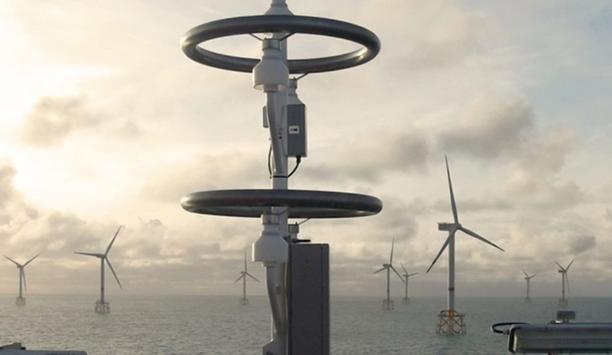
With COP26 just around the corner and a year on from the announcement of the UK Government’s 10 Point Plan, the need to become more carbon neutral is as prominent as ever and is now underway in numerous industries across the world. Frequent severe weather events It’s no secret that the weather is changing, with severe conditions happening more frequently and at pace, with soaring temperatures, storms, flooding and even volcanic eruptions all making headlines on a regular basis. However, it is easy to forget how the sea can be affected, from rising water levels to the impact that the storms have on visibility and the safety of those who work, and travel via ships, as well as the effect this mode of transport has on the environment. So how is maritime going green? Thriving maritime sector In order to create a greener industry, the Government has released its Marine 2050 Strategy report In order to create a greener industry, the Government has released its Marine 2050 Strategy report, in which it discusses responding to the challenge of decarbonisation, developing alternative zero emission fuels and technologies for vessel propulsion as well as improving air quality whilst ships are in port. Currently, international maritime transport accounts for a significant majority of global freight transport, with ships carrying around 80% world trade by volume and around 70% by value. Despite shipping regularly being referred to as one of the more carbon efficient methods of transport, the Government’s Transport Decarbonisation Plan states that in 2019, the UK domestic sector emitted more greenhouse gases than the UK’s rail and bus transport sectors combined. The Decarbonisation Plan goals The Decarbonisation Plan goals are still seen as optimistic by decision-makers, who believe that carbon net zero within the maritime sector could be achieved in the next 25-30 years. Assessing how economic instruments could be used to accelerate the decarbonisation of the domestic maritime sector is also being reviewed as part of the Clean Maritime Plan, and could support the transition to zero emission shipping in the medium to long term. But with more people inevitably travelling by sea in a bid to be more sustainable, changing the way ships run could mean they aren’t seen and heard as easily, which could be difficult in times of bad visibility. So how can we be carbon neutral without compromising safety? Installing weather sensors The offshore environment is perhaps one of the most demanding in the world The offshore environment is perhaps one of the most demanding in the world, especially where the safety of passengers and crew is dependent on the information provided to helicopters and marine vessels, by meteorological systems to avoid obstacles. It is here that the reliability and robustness of offshore equipment can step in to provide data and warnings, to minimise the hazards that come with bad weather. Construction of the sensor The construction of the sensor ensures they will still be functioning, many years after competitor’s equipment has failed, due to the corrosive atmosphere, with some sensors still operating after 15 years in marine environments. These are especially important for use on wind turbines, where they should be positioned at the top and bottom of the device to benefit both sea vessels and low flying aircraft. Weather observation solutions Weather observation solutions keep personnel safe and operations running smoothly, while also being easily accessible, accurate and reliable. By installing onshore and offshore weather and environmental sensors, observation data can then be used to inform maritime personnel and port authorities of the information they need to make critical decisions. Access to air quality data With access to data on air quality, coastal weather and visibility can help reduce disruptions With access to data on air quality, coastal weather and visibility can help reduce disruptions and delays in port operations, while also allowing staff to plan ahead and react quickly to any change in circumstances. In addition, real-time meteorological observations allow time for timely forecasts and decisions for weather-critical offshore operations, which ensure safe helicopter flights, navigations, dockings and subsea operations. Going green and staying safe Making greener choices requires more awareness of our CO2 footprint, along each step of the supply chain. As technology and fossil fuel alternatives become more prevalent in everyday life and the industries we rely on, the world is set to welcome its first carbon neutral liner, as part of its journey to net zero by 2023. With clean air initiatives taking centre stage and making attempts to reverse some of the damage caused by climate change, decision-makers need to work alongside the strategies that are being put in place and focus on additional ways of making sure hazards are minimised, in times of adverse weather. Benefits of visibility sensors With the help of visibility sensors, personnel can automatically switch warning light systems and fog horns on-and-off when necessary, intelligently adjust warning light intensity levels, depending on the local visibility and report visibility data to Coastguard and Harbour Master services. With low levels of maintenance required and designed for harsh offshore environments, installing visibility sensors alongside traditional tools has the ability to identify and report the presence of drizzle, rain and snow precipitation types, and is a vital addition to those looking to upgrade their technology, as we move into a more environmentally conscious and sustainable world.
Harbour insights

The maritime intelligence landscape has become incredibly fragmented, making it difficult to discern credibility. This disconnected picture across different operating functions means that, more than ever, vessel operators require a technology platform to help them better manage the burden and enable them to focus on their core roles. The digital transformation in shipping creates operational challenges, but also creates opportunities. The need to harvest the right data for disparate functions – performance, asset management, regulatory compliance – and then present it in the right format at the right time calls for expertise that many vessel operators do not hold in house. Digital transformation ABS Wavesight is a SaaS company built on a legacy of maritime and environmental stewardship “We are here to help demystify maritime software for those vessel owners and operators, fleet managers and charterers under pressure to modernise their operations,” says Staci Satterwhite, CEO, ABS Wavesight. “Instead of searching for answers through multiple software providers, maritime decision-makers can now turn to us for fleet-wide digitalisation support designed to help transform regulatory complexity into operational clarity.” As an independent subsidiary of the American Bureau of Shipping, ABS Wavesight is a SaaS company built on a legacy of maritime and environmental stewardship. Their products are collectively installed on more than 5,500 vessels across the global fleet and are backed by over 160 years of maritime innovation and experience. A platform to accelerate decision-making The platform provides clarity to help shipowners accelerate decisions for their fleets ABS Wavesight Advantage is state-of-the-art SaaS technology built on the deep domain expertise of ABS to connect performance and compliance, bringing together a technology-led approach with industry knowledge and expertise. The platform provides clarity to help shipowners accelerate decisions for their fleets with confidence. Its comprehensive product portfolio, spanning validation, a digital connection for verification by ABS, emissions benchmarking, and pooling, empowers maritime leaders to better achieve sustainability goals, navigate regulatory complexity and manage exposure. ABS Wavesight Advantage is state-of-the-art SaaS technology built on the deep domain expertise of ABS Confident decisions “Advantage is designed to simplify the complex, unify the disconnected, and empower maritime leaders to make smarter, more confident decisions,” says Satterwhite. It serves as a central data and information hub, bringing together data from vessels and shore teams, providing a single source for all stakeholders to get the information and insights they need to make better, faster decisions. More accurate and transparent reporting Designed to help shipowners reduce compliance exposure and commercial risk, Advantage helps enable more accurate and transparent reporting, which can lead to safer, more sustainable, and profitable maritime operations. High-quality data validation from a trusted partner can provide high confidence when it comes to decision-making. “By combining data from disparate sources, users are provided with quick and easy-to-action insights, helping to empower faster and more confident business and fleet decisions,” says Satterwhite. Optimising vessel operations ABS Wavesight has consistently helped owners to manage and optimise their vessel operations Merchant ships that trade nationally and internationally increasingly require tools that enable their operators to manage compliance risk and deliver timely reporting to a wide range of stakeholders. ABS Wavesight has consistently helped owners to manage and optimise their vessel operations, and Advantage takes that opportunity to the next level, with tools that can scale to meet the demands of the customer. Needs range from small, specialised vessels to large, diversified fleets, where pooling of emissions data is critical to efficient compliance with regulations. ABS Wavesight Advantage helps to enable timely compliance across IMO and EU regulatory regimes as well as market-based initiatives. Pooling emissions across a fleet The possibility under Fuel EU Maritime to pool the emissions of vessels across a fleet creates the need to manage the pool and requires tools to validate the model against greenhouse gas (GHG) intensity baselines, including scenario analysis of possible pool structures. As complex of a task as it is, this is only one path to address FuelEU Maritime requirements. Other choices can include banking and borrowing of Compliance Balance, and that decision-making along with pooling is brought together in one solution within Advantage. This process, once navigated, must be fully documented and reported for verification with the chosen verification body. ABS Wavesight Advantage features an intuitive design to allow for effortless pool management and a streamlined user experience, providing users with quick and easy-to-action insights, empowering rapid decision-making. New system architecture The new system architecture provides enhanced connectivity across ABS Wavesight products ABS Wavesight Advantage has been designed with all-new architecture and enhanced data collection capabilities to provide a trusted source for all aspects of vessel and fleet performance and emissions compliance requirements in real-time. The new system architecture provides enhanced connectivity across ABS Wavesight products, third-party applications, and ship-to-shore communications, as well as improved reliability and reduced cost of ownership with true SaaS infrastructure. The SaaS model offers both improved reliability and reduced cost of ownership. The platform also offers trusted security through ABS Wavesight’s SOC2 Type I and II, and ISO27001 certifications. Complex regulatory environment As the shipping industry sails into an ever-more complex regulatory environment, vessel owners and managers recognise that they need platforms that can scale and adapt to incorporate technologies as they emerge. The challenge of technologies like artificial intelligence, machine learning, and large language models is not their disruptive potential but how best to integrate them into creating and delivering the right solution for the challenges that owners face, says Satterwhite. “As is clear from the growing range of regulatory requirements, compliance will increasingly have an impact on operational and commercial decisions,” says Satterwhite. “Vessels that can more efficiently demonstrate compliance to the emissions regulations will be the ones making the cut for charterers concerned about meeting their own environmental, social, and governance goals.” Reducing compliance exposure By managing a fleet on the platform, vessel operators can take positive steps to help reduce both their compliance exposure and performance risk, with accurate and transparent reporting, which can lead to safer, more sustainable and profitable operations. “The effort to create that peace of mind, promote safety and create commercial opportunity is a task that benefits from a software partner whose knowledge extends beyond the code and deeply into the details of today’s vessel operations,” says Satterwhite. It’s ABS Wavesight’s vision for maritime software.
Ballast Water Management Systems (BWMS) prevent the spread of invasive aquatic species, which pose significant ecological, economic, and health threats. The systems treat and purify a ship's ballast water before it is discharged into a new environment. Regulations dictate how ballast water is managed and discharged. The IMO Ballast Water Management Convention was adopted in 2004 and ratified on 8 September 2017. In addition, the U.S. Coast Guard (USCG) has also regulated discharges in the USA through local regulations in conjunction with the EPA. Risk of undesirable bio-invasions All ships of 400 gross tons (300 gt for USCG) or more are required to manage their ballast water All ships of 400 gross tons (300 gt for USCG) or more are required to manage their ballast water. A range of technologies have been Type Approved to purify a ship's ballast water, and treatment methods are dominated by those making use of active substances or UV radiation. Ballast Water Treatment Systems (BWTS) remove or render harmless nonindigenous aquatic species and pathogens before the ballast water is discharged into a new location. Therefore, BWTS provide ships the means to comply to the regulations and reduce the risk of undesirable bio-invasions that harm ecosystems, and cause economic and coastal infrastructure damage, according to Dr. Stelios Kyriacou, Chief Technology Officer (CTO) of ERMA FIRST, a manufacturer of ballast water treatment and other sustainable marine equipment systems. BWTS remove or render harmless nonindigenous aquatic species and pathogens. Leadership in the core product category “We have already achieved leadership in our core product category, the Ballast Water Treatment Systems, and our vision remains for our new chapter, the decarbonisation solutions,” says Kimon Mademlis, Group Marketing and Communications Director, ERMA FIRST. “This is the brand promise to our customers that we will always strive for excellence, innovation and stellar offerings.” Flexible and adaptable ballast water management Use of active substance treatments offers a flexible and adaptable ballast water management system ERMA FIRST has developed a full flow filter electro-chlorination system, ERMA FIRST FIT BWTS, and has further expanded its product offering with the acquisition of complementary chemical injection technologies, oneTANK and Ecochlor, for ballast water management. The use of active substance treatments offers a flexible and adaptable ballast water management system to marine operators, says Kyriacou. Electro-chlorination and chemical injection treatments are single pass on ballasting only, unlike UV where a secondary treatment is required at discharge. Ballast water treatment systems Active substance treatments are not impacted by water clarity (UV transmittance) and adapt to water quality challenges better than UV systems while in general have a lower operating expense and energy footprint. ERMA FIRST ensures operational simplicity and lowers costs with their user-friendly ballast water treatment systems. Designed for easy installation and basic crew training, the systems feature automated operation that reduces manual work and ensures compliance with international regulations. Their flexible design fits all vessel types, minimising downtime and retrofit expenses. ERMA FIRST ensures operational simplicity and lowers costs with its user-friendly BWTS. ERMA FIRST global service ERMA FIRST offers global service and remote support, improving system efficiency With low energy consumption and simple maintenance needs, the systems help shipowners reduce daily operational costs while ensuring reliable long-term performance. In addition, ERMA FIRST offers global service and remote support, improving system efficiency and making vessel operations smoother, more reliable, and cost-effective across the fleet. Combining products and services to support customers ERMA FIRST provides a range of services to support customers from the initial sales to long-term operation. The company offers expert advice, system design, and, when requested, assistance during installation to ensure the best fit for each vessel’s needs. They also provide crew training for safe and straightforward operation. Maintenance services, both scheduled and on demand, keep systems running efficiently. With remote monitoring, 24/7 technical support, and service engineers worldwide, ERMA FIRST responds quickly to any issue. “We supply spare parts upon request or as needed, and we maintain stock in major hubs globally,” says Mademlis. “ERMA FIRST ensures reliable, simple, and cost-effective support at every stage.” ERMA FIRST provides a range of services to support customers from the initial sales. New sustainable and reliable products Customers drive the business, while R&D provides new sustainable and reliable products ERMA FIRST’s vision is to be a pioneer in the industry excellence in all they do. Customers drive the business, while R&D provides new sustainable and reliable products and after-sales service delivers customer support. Here is the brand’s purpose statement: “Saving the oceans to safeguarding the planet.” ERMA FIRST is committed to a greener future, a sustainable world, and a bright tomorrow for the generations to come. Expanding range of decarbonisation solutions ERMA FIRST’s track record in ballast water treatment systems, as well as with other marine equipment such as oily water separators and sewage treatment plants, has critically and crucially delivered towards protecting the oceans. The BWTS ensures optimal protection of the seas, and the company offers an expanding range of decarbonisation solutions. “In the maritime sector, technological advancement is driving a major transformation across operations, sustainability, and competitiveness,” says Kyriacou. “We are responding to growing environmental concerns and regulatory pressures, particularly from the International Maritime Organization (IMO), for greenhouse gas (GHG) reduction, decarbonisation and net-zero.” Environmental policy developments ERMA FIRST maintains active R&D programs and invests in energy efficiency measures ERMA FIRST monitors environmental policy developments and adapts and leverages their resources to the develop practical and cost-effective solutions for global shipping. “Our core strategic objectives include sustainability and environmental respectability with a strong desire to maximise our customers’ benefit and support their strategies to achieve carbon neutrality,” says Mademlis. To this end, ERMA FIRST maintains active R&D programs and invests in energy efficiency measures, air lubrication systems (AL) and wind-assisted propulsion systems (WAPS), ship-to-shore power interface, advanced data analytics, and artificial intelligence (AI) to optimise ship operations, performance, and emissions in real-time. ERMA FIRST maintains active R&D programs and invests in energy efficiency measures. Use of diesel electric generators and boilers Decarbonisation measures target ship propulsion with fuel and energy efficiency improvements Decarbonisation measures mainly target ship propulsion with fuel and energy efficiency improvements. Ships, however, also spend time in port where they engage in passenger and cargo operations, while the energy requirements are significantly lower than when in transit. The use of diesel electric generators and boilers in port is responsible for the continued emission of GHG and particulate matter (PM) in the atmosphere and is a major cause of noise pollution. The health and wellbeing of residents in the vicinity of ports is impacted by ship operations. Reducing carbon footprint, lowering costs The use of Alternative Maritime Power systems, like BLUE CONNECT from ERMA FIRST, enables ships to stop running their generators in port and utilise shore power for their needs, thus saving fuel, reducing the environmental and carbon footprint of cargo operations. “The adoption of energy-efficiency measures targets reduction of GHG emissions, optimisation of fuel use, and correcting the energy performance of suboptimal ship designs,” says Kyriacou. ERMA FIRST’s energy-saving devices (ESDs) maximise the propulsive effectiveness of the propeller. ERMA FIRST’s ESDs maximise the propulsive effectiveness of the propeller. Combinations of ESDs FLEXCAP eliminates the hub vortex, while converting some of the rotational energy to thrust FLEXCAP, a propeller cap, eliminates the hub vortex, while converting some of the rotational energy to thrust. FLEXFINS are attached to the hull to correct the flow around the stern preventing boundary layer separation thus reducing drag and losses. FLEXRING is a duct fitted upstream of the propeller that homogenises the axial wake component, while the duct contributes to the thrust by virtue of the lift generated by the accelerating flow over the surfaces. Combinations of ESDs can deliver significant performance gains, lower fuel consumption, reduce GHG emissions and improve a ship’s carbon intensity indicator (CII), says Kyriacou. Embracing carbon capture and storage Carbon capture and storage systems have an important role to play during the transition away from fossil fuels to achieve net-zero. Fossil fuels will be the energy source for ships’ propulsion in the near term because the shift to alternative fuels cannot be implemented instantly due to availability and capacity constraints. ERMA FIRST recognises the need to provide a bridge solution between continued fossil fuel use and the necessity to reduce GHG emissions radically. ERMA FIRST recognises the need to provide a bridge solution. Development of a regulatory framework The ERMA FIRST CARBON FIT post-combustion on-board carbon capture and storage (OCCS) system provides a technically practical solution to achieve GHG emissions reduction, paving the pathway to carbon neutrality. At IMO MEPC.83, a work plan on the development of a regulatory framework for the use of OCCS was agreed. With a scheduled completion by 2028, it is projected that broad technology implementation will follow. ERMA FIRST CARBON FIT post-combustion on-board carbon capture and storage. Maritime and environmental awards As a technology provider with a global reach, ERMA FIRST sets high standards of quality on both equipment and services. ERMA FIRST has won multiple maritime and environmental awards over the years, including: Technical Achievement Award 2013, Lloyd's List Greek Shipping Awards Technology Excellence 2013, Made in Greece Technology Award 2016, GREEN4SEA Bronze Award 2022, HR Awards Technical Achievement Award 2023, Lloyd's List Greek Shipping Awards Sustainability Award 2023, GREEN4SEA Bronze Award 2023, HR Awards Greek Business Champion 2023, Protagonistes Business External Focus 2023, Protagonistes Great Place to Work 2023 R&D expertise of ERMA FIRST A milestone for the company and a proud achievement is the fact that ERMA FIRST belongs to a very small group of companies having won the Technical Achievement Award by Lloyd's List more than once. This reflects the solid R&D expertise of ERMA FIRST and the long-standing and ongoing efforts towards technological excellence and impactful innovations.
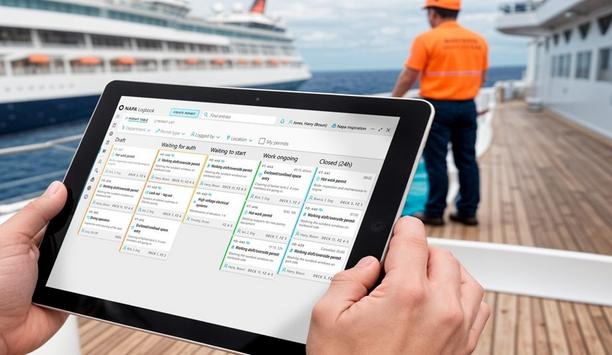
Trusted by more than 3,000 ships worldwide, NAPA’s Safety Solution software has promoted ship safety and operational efficiency for 35 years, working closely with customers. NAPA's solutions aim to positively impact the maritime industry by simplifying and streamlining onboard and shoreside operations through digitalisation, reducing errors and workload for seafarers, enhancing safety, and enabling more sustainable decision-making. Paper-based system challenges “Historically, the maritime market has relied heavily on paperwork for various processes, including log-keeping, work permits, and regulatory reporting,” says Tommi Vihavainen, NAPA's Director of Development at Safety Solutions. “This reliance on paper-based systems led to numerous challenges, such as time-consuming administrative tasks, increased risk of errors, difficulty in data aggregation and sharing, and limited visibility for shoreside teams.” Software and data services NAPA's software for ship design is used by over 90% of new vessels built by NAPA's customers NAPA provides software and data services for ship design and operations to enable a safer, more sustainable, and future-proof maritime industry. NAPA's software for ship design is used by over 90% of new vessels built by NAPA's customers and is considered the global de facto standard in shipbuilding. NAPA's product line On the ship operations side, NAPA's product line includes NAPA Stability next-gen loading computer; NAPA Emergency Computer to provide clarity on ship vulnerability in critical moments; NAPA Permit to Work, which digitalises work permits and approval; and NAPA Fleet Intelligence, a cloud-based platform to enable shoreside teams to handle fleet safety, compliance, and optimisation. NAPA Logbook (along with the NAPA Status Board and Checklists) helps make electronic record-keeping, reporting, and compliance easy and error-free. Digitisation “Digitisation has transformed the management of information and data onboard vessels by automating tasks, standardising formats, and enabling real-time data sharing between ship and shore,” adds Vihavainen. “This has led to significant improvements in efficiency, safety, and compliance.” Efficiency, safety, and compliance Cloud-based platforms enable centralised data collection, allowing shoreside teams to monitor vessel operations For example, electronic logbooks automate data entry, reduce errors, and facilitate easy regulatory compliance. Digital work permit systems streamline approval processes, enhance communication, and provide real-time visibility into ongoing work, improving safety and inter-department coordination. Cloud-based platforms enable centralised data collection, allowing shoreside teams to monitor vessel operations and performance, identify trends, and make informed decisions for optimised operations. Proactive approach to safety at sea Digital ship stability systems, like NAPA Stability, can enable a proactive approach to safety at sea by providing real-time monitoring and analysis of a ship's stability parameters – for both intact and damaged stability. They integrate with a 3D model of the ship, known as a digital twin, which is based on data and models used during the ship design process. “These systems continuously monitor stability data, such as the vessel's metacentric height, and provide alerts if any IMO-set stability and loading criteria are unmet,” says Vihavainen. Real-time awareness “This real-time awareness allows for early detection of potential risks and facilitates timely corrective actions to maintain stability and ship safety in all conditions." Additionally, these systems can simulate different scenarios and provide decision support to the crew and shoreside teams in case of emergencies, such as grounding or damage to the hull, allowing for a more informed and proactive response. Cloud-based monitoring unlocks By analysing this data, shoreside teams can identify trends, benchmark performance, and make decisions Cloud-based performance monitoring solutions can unlock new operational efficiencies in the maritime market by providing insights in real-time, as well as collecting historical data for later analysis. NAPA’s onboard solutions, for example, can collect data from various sources, like all logbook data, such as a deck, navigational data, stability data, engine management systems, HVAC, tank data, waste, and water management, as well as other relevant onboard sensors. By analysing this data, shoreside teams can identify trends, benchmark performance, and make data-driven decisions to optimise various aspects of operations, including fuel efficiency, waste and water management, engine performance, and so on. Operational efficiency “The cloud-based nature of these systems enables seamless data sharing and collaboration between shipboard and shoreside teams, facilitating real-time monitoring, communication, and support,” says Vihavainen. “This accessibility to data and insights allows for more informed decision-making, proactive rectifications in operational practices, maintenance, and continuous improvement in operational efficiency.” Supporting shipping’s transition to decarbonisation The global maritime industry, and seafarers in particular, are grappling with new ways of working to support shipping’s decarbonisation transition. A recent survey by the International Seafarers Welfare and Assistance Network (ISWAN) revealed that 54% of seafarers reported an increase in their workloads, 44% said they are feeling higher levels of stress, and 33% fear potential criminalisation due to complex reporting requirements. NAPA Logbook By enabling data to be exchanged between systems, teams can enhance situational awareness Digital, integrated solutions like NAPA Logbook, through NAPA Fleet Intelligence, allow teams to tackle these issues by doubling down on automation, thereby minimising errors saving time, and offering a holistic approach to data management, operational safety, and efficiency. By enabling data to be exchanged between systems, teams can enhance situational awareness and make better-informed decisions on critical operational matters and regulatory compliance, with greater speed and accuracy, as the platform also gives a centralised data overview. Benefits Vihavainen says centralised data collection through platforms also benefits operations by: Providing a holistic view of fleet operations: 24x7 monitoring and real-time situational awareness at a granular level - per ship, per voyage, per leg. This comprehensive overview allows for better decision-making regarding safety, efficiency, and compliance. Facilitating data-driven insights: By analysing the collected data, operators can identify trends, benchmark performance, and implement strategies for continuous improvement. Enabling better support from the shoreside without the need for additional communications. Optimised Voyage Planning: By combining real-time weather data with historical performance data, operators can plan more efficient and safer routes, especially for cruise customers during the hurricane season, for instance. Predictive Maintenance: Analysing data from various onboard systems can help predict potential equipment failures, allowing for proactive maintenance and reducing downtime. Improving record keeping and promoting safety NAPA Logbook is an electronic logbook solution that aims to improve record keeping, simply shipboard admin work, and promote safety onboard vessels. It is approved by over 20 major flag states and DNV and ClassNK, and it is trusted by over 12,000 users globally. NAPA Logbook improves record-keeping and compliance by: Automating data entry, reducing seafarer workload: The system automatically fills in data for log entries, reducing the administrative burden on the crew. Standardising formats, reducing chances of mistakes: NAPA Logbook ensures that all log entries adhere to the required formats, minimising errors, and inconsistencies. Simplifying reporting: The system facilitates the easy generation of reports for various regulatory requirements, such as EU-MRV, MARPOL, ESG, and CII. Logbook integration For instance, with the new voyage reporting functionality, the NAPA Logbook reduces the administrative burden of regulatory compliance and covers the monitoring systems EU-MRV (Monitoring, Reporting and Verification), and the IMO-DCS (Data Collection System). The digital platform enables the integration of logbooks with regulatory reporting; data is automatically shared with shoreside teams, via NAPA Fleet Intelligence, as well as with the verifier, in this case, DNV Emission Connect, in near real-time. End-to-end compliance The platform goes beyond normal electronic logbook systems and can submit data for verification to DNV The platform goes beyond normal electronic logbook systems and can submit data for verification to DNV, as well as other relevant stakeholders in the supply and emissions chain, in a format that meets all requirements. This provides end-to-end compliance support, removes duplication of work, and offers invaluable time savings for the crew which would otherwise not be possible. 14% reduction Here is a case example: Anthony Veder, a gas shipping company that implemented the NAPA Logbook in 2023 reports that it has already cut 2000 administrative hours per vessel – a 14% reduction. This time savings is not only from automated entry but also from automated reporting. With the initial success of NAPA Logbook across Anthony Veder’s fleet, the company is ramping up digitalisation to ease seafarer workload, boost morale, and reduce the margin for error. Digital tools can help reduce the administrative workload onboard and contribute to the accuracy of reporting, which is becoming increasingly important with regulations like the EU ETS and FuelEU Maritime. Replacing paper-based work permitting NAPA Permit to Work is a digital system that replaces the traditional paper-based work permit process for hazardous tasks onboard. NAPA Permit to Work has been developed through close collaboration with customers, such as Carnival Cruise Line and Virgin Voyages, to ensure it meets their specific needs and safety management system guidelines. The system allows for customisation according to each operator's unique processes. Miscommunication to mishaps Hazardous tasks are managed through a mase of manual checklists and paperwork prone to delays Traditionally, hazardous tasks are managed through a mase of manual checklists and paperwork prone to delays, oversight, and miscommunication – leading to mishaps. According to data from InterManager, 55% of accidents in the past 28 years have happened during planned work, with many incidents concentrated in high-risk areas like oil tanks and holds. Permit-to-work process Digitising the permit-to-work process can dramatically reduce the chances of human error, potentially preventing accidents before they occur. Apart from increasing efficiency, these digital permits also help ensure every step of the process is completed correctly and provide real-time visibility of high-risk tasks for both crews onboard and shoreside teams. This is especially important for newer seafarers, many of whom have joined the industry after the pandemic. They offer critical support for those still gaining experience, reducing the risk of accidents. Additionally, digitalising the process results in: Streamlined work process: The digital system eliminates the need for physical forms and signatures, saving time and reducing administrative burden. Comprehensive digital safeguards: The system acts as a checklist, ensuring that all necessary safety checks are completed before the start of any job. Enhanced communication and coordination: The system automatically notifies relevant departments and personnel with real-time status updates of ongoing work, improving coordination and transparency. Real-time monitoring and visibility: Both shipboard and shoreside teams have real-time visibility into ongoing work, enabling proactive safety management and faster response in case of issues. Benefits for shoreside teams NAPA Permit to Work provides shoreside teams with better fleet-wide visibility of ongoing work and conditions, enabling a proactive approach to safety and maintenance. This real-time data transparency allows for more efficient resource allocation, improved coordination of maintenance activities, and faster response to potential issues, ultimately leading to enhanced operational efficiency and reduced downtime. Comprehensive digital checklist NAPA Permit to Work will act as a comprehensive digital checklist The influx of new seafarers with limited experience post-pandemic presents challenges for the maritime industry. These challenges include increased workloads, higher stress levels, and potential safety risks due to unfamiliarity with complex tasks and procedures. Here, the NAPA Permit to Work will act as a comprehensive digital checklist to help seafarers ensure that no safety-critical steps are missed. Virtual guide and augments The system is designed so that no digital form is accepted unless all required safety checks are completed before the start of any job, significantly reducing the risk of oversight. Post-COVID, a large proportion of crew working aboard cruise ships are on their first contract with little at-sea experience. This functionality provides a virtual guide and augments previous training, eases handovers, and minimises the margin for error. Safety and efficiency As the maritime industry shifts toward a future marked by multi-fuel technologies and stringent environmental regulations, the operational demands placed on crews will only increase. But within this growing complexity lies an opportunity to rethink approaches to safety and efficiency. “Rather than overwhelming seafarers with more screens and systems, we need to harness digital tools and data in ways that simplify—not complicate—their work environments,” says Vihavainen. Expanding capabilities of digital tools When harnessed properly, it can lead to much bigger and newer areas of operational efficiency It is a misconception that solutions like NAPA Logbook and NAPA Stability only help with ship safety, data recording, and compliance. With cloud technology, the power of these digital tools extends far beyond their traditional roles, unlocking vast amounts of previously untapped data—up to 90% of ship data typically remains onboard, unutilised. This data spans everything from engine performance, and HVAC to waste, water, and tank management. When harnessed properly, it can lead to much bigger and newer areas of operational efficiency than achievable today. Real-time data sharing “By automating the collection and analysis of this data in real-time, and sharing it with shoreside teams, we also enable better ship-and-shore collaboration,” says Vihavainen. “As the complexity of modern maritime operations grows, cloud connectivity has become a critical tool in bridging the gap between onboard crews and shoreside teams.” Proactive voyage monitoring By allowing real-time communication and data sharing, shoreside teams can provide invaluable support in areas ranging from stability management and emergency response to proactive voyage monitoring and machinery issue resolution. “This level of collaboration is reshaping how we approach safety and efficiency at sea,” says Vihavainen. “These advances are more than just technological upgrades—they are transforming the relationship between seafarers and their shoreside colleagues.”
Case studies
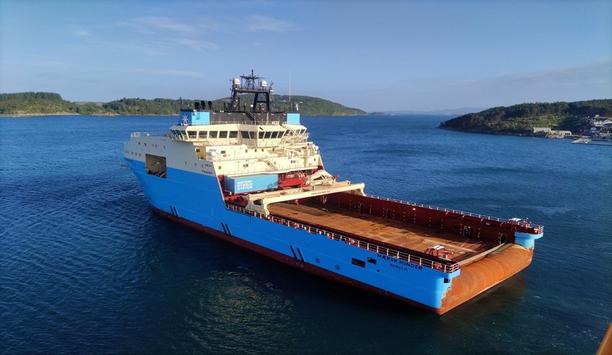
Maersk Supply Service has selected the Fleet Data IoT platform from Inmarsat Maritime, a Viasat business, to help optimise the performance of its first vessel battery installation onboard Maersk Minder Offshore Supply Ship, in a solution that will also allow the owner to evaluate how best to optimise the use of zero-emission energy storage systems across its fleet. An end-user API seamlessly gathers data from onboard equipment, automatically organises it with time stamps, synchronises it, and uploads it to the customer’s visualisation tools, all presented in a user-friendly format. Real-time insight Beyond streamlining in-house reporting and analytics, the API makes data available to original equipment manufacturers (OEMs), such as VPS, whose data-driven decarbonisation system, Maress, provides real-time insight into vessel performance to support fuel savings and emissions reduction. Crucially, Maress will help Maersk evaluate the effectiveness of the battery system in terms of peak shaving and energy efficiency and determine the requirements for future battery installations for the rest of the fleet. Enhance vessel efficiency By providing an open platform for data analytics, Inmarsat enables Maress to deliver actionable insights" Sindre Bornstein, Chief Commercial Officer, of VPS Decarbonisation, said “If the maritime industry is to achieve its emissions-reduction targets, it will rely on transparency, smart use of data, and collaboration and the Maersk Minder project combines all three." Sindre Bornstein adds, "By providing an open platform for data analytics, Inmarsat enables Maress to deliver actionable insights, which in turn help Maersk Supply Service to enhance vessel efficiency in the short term and decarbonise its fleet through optimised battery-enabled operations in the long term.” Complete visibility With complete visibility into the performance of the vessel and its hybrid battery system, Maersk can adapt its operations swiftly to keep pace with evolving environmental regulations. Notably, one of Maersk’s clients has already stipulated the use of battery power in certain offshore operations. This underscores the competitive advantage gained by sharing real-time data on the impact of the Electric Storage System (ESS) on vessel efficiency and emissions with the charterers. Deployment of a battery system Sverre Vange, Energy Performance Manager, Maersk Supply Service, said “There are various economic and regulatory motivations for installing battery power on an offshore vessel, but charterer expectations are a particularly compelling factor." Sverre Vange adds, "In the years ahead, attracting charterers will increasingly rely on the deployment of a battery system so the ability to keep charterers informed of the system’s performance will be invaluable.” Saves time and money Vessels operating in Norwegian waters must reconcile NOx emissions data against a record of the type/location Automating data flows also frees seafarers up from manual NOx emissions reporting, added Vange, saving time and money, while yielding more accurate and consistent information. Vessels operating in Norwegian waters must reconcile NOx emissions data against a record of the type/location of offshore work done and ports called to establish their obligations under Norway’s NOx tax scheme. Fleet Data end-user API Richard Goudbeek, Technical Sales Manager, Digital at Inmarsat Maritime, said “Data by itself is not useful unless it is processed to obtain information. Data processing involves analysing data and reasoning to gain insight and turn the results into fact-based decision-making." Richard Goudbeek adds, "The Fleet Data end-user API allows Maersk to extract maximum value from available data and share it with OEMs and third parties like VPS. This collaboration is pivotal in developing actionable insights and advancing decarbonisation strategies within the industry.” Maersk Supply Service has been a long-standing Inmarsat customer, dating back to its fleet-wide implementation of Fleet Xpress in 2017.

Rodman Polyships S.A.U., a Rodman Group shipyard specialised in the building of all types of GRP (Glass Fibre Reinforced Polyester) boats, has delivered a new professional boat to the Maritime Service of the Spanish Civil Guard. She is the new Rodman 66, a monohull, cabin type construction, with an aluminium hull and deck and a superstructure in glass fibre reinforced polyester (GRP) using hybrid multi-axial materials of aramid and E-glass and other synthetic and mineral fibres. New Rodman 66 all-weather patrol boat The new Rodman 66 is an all-weather patrol boat, specially designed to carry out patrol missions The new Rodman 66 is an all-weather patrol boat, specially designed to carry out patrol missions, anti-illegal immigration tasks, and protection of the marine environment, surveillance and anti-drug trafficking activities, as well as other specific duties of the Spanish Civil Guard. Main features of the new Rodman 66 patrol boat: With an overall length of 22 metres and a top speed of almost 44 knots, she has been created by the shipyard’s design, technical and engineering teams, perfectly combining high performance, reliability, building quality and seaworthiness. The propulsion consists of two MAN engines of 1,400 HP each and two Hamilton Waterjets. The boat can accommodate a maximum of 5 crew members, with two cabins. The accommodation is complete with galley, dining room, living area and complete toilet. Providing a range of more than 800 nautical miles, the new Rodman 66 offers great versatility in surveillance and intervention operations. Completing the equipment of the Rodman 66 patrol boat, we highlight a 4.5 m. TarpónPro tender and a deck crane for boat services. New model developed to meet specific needs This new model has been developed to meet the specific needs of the owner, in addition to the various technical and construction quality requirements of Rodman’s standard, optimising the safety and comfort of the crew and people on board. The construction of this new patrol boat model consolidates Rodman’s position as one of the world leaders in the construction of professional crafts. Boats and vessels built by Rodman recognised globally All the professional and leisure boats and vessels built by the shipyard are widely recognised and highly valued by the most demanding owners, as well as by organisations and governmental administrations all over the world.

Cochin Shipyard Limited (CSL), the premier shipbuilding and ship repair company in India, has delivered the 10th Electric Hybrid 100 Pax Water Metro Ferry BY 125 to Kochi Water Metro. The occasion was marked by the Delivery Protocol Signing ceremony held at CSL, in the presence of Directors of KMRL and CSL, along with senior officials from KMRL, CSL, DNV, and IRS. Shri. Harikrishnan S, Chief General Manager - CSL, and Shri. Shaji P Jananardhanan, Chief General Manager - KMRL, signed the protocol document on behalf of their respective organisations. Both organisations worked closely towards the successful completion of this project, which contributes significantly to the sustainable development and modernisation of water transportation in Kochi, India. Electric Hybrid 100 Pax Water Metro Ferry BY 125 The Electric Hybrid 100 Pax Water Metro Ferry BY 125 is a state-of-the-art vessel The Electric Hybrid 100 Pax Water Metro Ferry BY 125 is a state-of-the-art vessel designed to provide efficient, eco-friendly, and convenient transportation options for the residents and visitors of Kochi. With a focus on sustainability and environmental responsibility, this ferry is equipped with electric hybrid technology, ensuring reduced emissions and minimised environmental impact. CSL and KMRL partner to advance India’s maritime capabilities By achieving the milestone of delivering the 10th Water Metro Ferry, CSL and KMRL have demonstrated their commitment to advancing the Nation's maritime capabilities, while prioritising eco-conscious transportation solutions. The collaboration between the two esteemed organisations is a testament to the potential for excellence within the Indian shipbuilding industry. CSL and KMRL officials conveyed their gratitude to all stakeholders, including DNV and IRS, for their support and partnership on the project.

Universal and equitable access to drinking water and adequate sanitation and hygiene services, as well as the improvement of water quality at a global level, are part of the Sustainable Development Goals of the 2030 Agenda for Sustainable Development, but they have also become part of a daily problem in many parts of the planet. Ingeteam, with its Indar submersible pumps and motors designed and manufactured in Beasain, Spain, contributes to solve part of this problem; and among the numerous applications for which the submersible pumps and motors are intended are desalination plants. Indar submersible pumps and motors installed In this context, the six pumps and their corresponding submersible motors have been installed in the desalination plants of Alicante I and San Pedro del Pinatar I, both belonging to the Commonwealth of the Taibilla Canals, and their main task will be to take the water to be desalinated from the sea and discharge it as drinking water to the primary water network of the region, which in the summer period has more than 3 million inhabitants. The desalination plants and their operation The Alicante I desalination plant is located in Aguamarga, in the municipality of Alicante, Spain The Alicante I desalination plant is located in Aguamarga, in the municipality of Alicante, Spain. It has a maximum production of 57,500 m³ of water per day and the treated water is fed into the New Alicante Canal (enlarged in 2006). In this installation, 2 Indar pumps manufactured by Ingeteam have been implemented with their respective motors. These water collection units will work in coastal vertical wells which usually have a high variability of water level. Seawater desalination plant using Ingeteam technology The second seawater desalination plant using Ingeteam technology is called San Pedro de Pinatar 1. It is designed to produce and supply the Commonwealth with a daily volume of up to 65,000 m³ of drinking water. The plant is located in the El Mojón area, near the Salinas and Arenales de San Pedro del Pinatar, in the Region of Murcia, Spain. The new units supplied will replace the 4 identical units supplied by the company in 2003. Stainless steel units supplied The 6 units for these desalination plants have been supplied to Ingeteam’s distributor, Juan Azcue, S.A., and are made of stainless steel, which is highly resistant to corrosion in aggressive environments, such as salinity, humidity, and acid or alkaline media. Both plants take the water from the vicinity and then proceed to its treatment. Thus, the process includes a seawater pretreatment that guarantees its optimal conditions (physical and chemical); desalination as such, which is carried out by means of membrane racks; and finally, a seawater post-treatment that guarantees compliance with the criteria established for water for human consumption by the regulations in force.
Spire Global, Inc. (‘Spire’ or ‘the Company’), a global provider of space-based data, analytics and space services, was selected by ESP Logistics Technology (‘ESP’), an internationally renowned company in supply chain productivity and sustainability, to provide wind data through its weather conditions API and real-time automatic identification system (AIS) vessel-tracking data. In the intricate supply chain industry, even the slightest disruption can lead to significant challenges and delays. This has led to a US$ 3.4 billion inventory optimisation, logistics, and visualisation and reporting market. ESP picks Spire’s comprehensive weather conditions API ESP also is utilising Spire’s AIS data to provide its clients with real-time tracking of their ships ESP Logistics Technology (ESP) has chosen Spire’s comprehensive weather conditions API to provide their helicopter customers with immediate, accurate wind data to make operational flight decisions. ESP also is utilising Spire’s AIS data to provide its clients with real-time tracking of their ships and estimated time of arrival at their destination, based on historical data of ships travelling similar routes. Enhancing supply chain efficiency “At ESP, we are committed to enhancing supply chain efficiency and ensuring our clients’ operations run smoothly,” said Jonathan Rosenthal, the Chief Executive Officer (CEO) of ESP, adding “With accurate wind data, our helicopter customers can optimise their flight operations, while real-time ship-tracking enables us to proactively manage deliveries, reducing delays and enhancing overall productivity.” He adds, “This collaboration with Spire reinforces our dedication to providing top-notch services and empowers us to make informed decisions in the face of the increasingly complex supply chain.”

Rodman Polyships S.A.U., a Rodman Group Shipyard specialised in the construction of all types of GRP (Glass fibre Reinforced Polyester) boats and vessels, is building 3 new Offshore Patrol Vessels for the Surveillance Service of the Spanish Tax Agency. The signing of this new contract took place in January and after a few months of initial design and project planning; Rodman is now in the construction stage of the first units. These days the initial stage of the lamination process for the first unit has been successfully completed. New Rodman 111 Offshore Patrol Vessels The new Rodman 111 units will be offshore patrol vessel, designed for sea patrolling The execution period is 36 months for all the units, 16 months for the first vessel and the remaining 2 will be delivered with a 10 month interval between each of them. The new Rodman 111 units will be offshore patrol vessel, designed for sea patrolling, smuggling repression, interception, searching, physical presence and surveillance for the compliance of national and international laws. All these tasks will be carried out with the utmost respect for the comfort and safety of the ten-person crew. This new and important order reinforces Rodman’s experience, know-how and knowledge in the design and construction of large length patrol vessels, consolidating the relationship and trust of the Spanish Tax Agency in this Rodman 111 model, after the delivery, two years ago, of the Rodman 138, a 43 m. length Offshore Patrol Vessel, the largest unit built in Glass fibre Reinforced Polyester, to date. Main Technical Features: Rodman 111: Offshore Patrol Vessel With 35.3 m of overall length, this Patrol Vessel model has been developed by Rodman’s design, development and engineering teams, perfectly matching high performance, reliability, build quality and seaworthy characteristics. The vessels will be equipped with two marine diesel engines, each driving Waterjets with integrated gearboxes, to reach maximum speeds of 35 knots. Each vessel will be fitted with: Main Engines: Two (2) CUMMINS Engines, model QSK60-M Water Jets: Two (2) KAMEWA Waterjets, model S63-3/CA Gearboxes: Two (2) ZF Gearboxes, model ZF 8000 Rodman 111 model designed for a crew of 10 people This Rodman 111 model has been designed for a crew of 10 people. With a range of 1,432 miles at economic speed (19 knots), capable of remaining at sea for long periods of time, providing a great advantage from an operational and effectiveness point of view. They will be provided with state-of-the-art navigation and electronic equipment. Summary of Technical Features: Length Overall: 35.30 m Overall Beam: 6.20 m Depth to Main Deck: 3.40 m Propulsion Power: 2 x 1864 kw Fuel Capacity: 2 x 12,000 L Fresh Water Capacity: 800 L Speed: 35 knots Range (19 knots): 1.432 miles Crew: 10 persons New model developed to meet specific needs of customer This new model has been developed to meet the specific requirements of the customer, in addition to the various technical and construction quality requirements of the Rodman standard, optimising the safety and comfort of the crew and people on board. The award of this new order consolidates Rodman’s position as one of the world-renowned companies in the construction of professional GRP boats. All the professional boats and leisure crafts built by the Shipyard are widely recognised and highly valued by the most demanding ship owners, as well as by governmental organisations and administrations all over the world.


Fleet planning as a strategic asset
Download