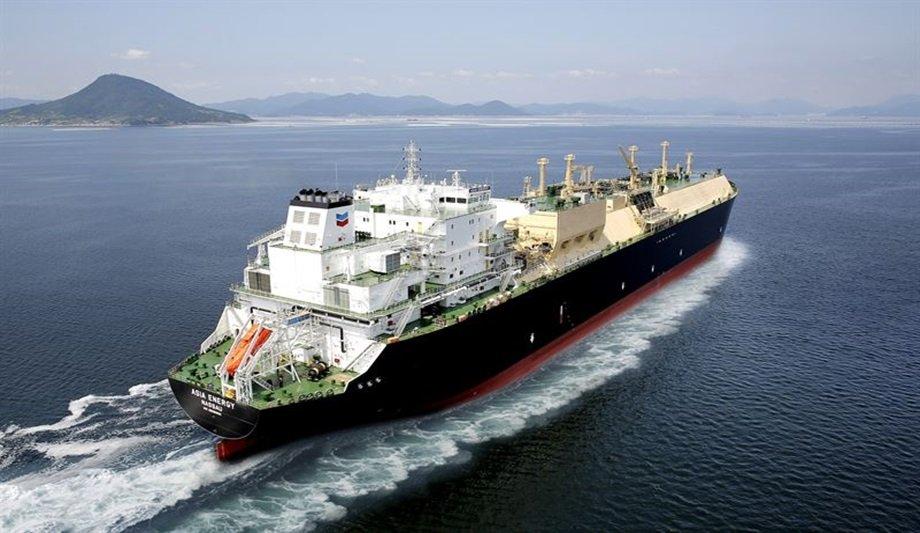

Technology group - Wärtsilä, in partnership with Chevron Shipping Company LLC, plans to convert one engine on six of Chevron Transport Corporation Ltd.’s LNG Carriers from dual-fuel (DF) to spark gas (SG) operation.
Reducing greenhouse gas emissions
The conversions are intended to reduce greenhouse gas emissions by lowering methane slip in support of Chevron Shipping’s broader efforts to reduce the carbon intensity of its operations.
This marine industry first was made possible after two years of collaboration between the companies. The order for the first two vessels was booked by Wärtsilä in Q3 2024.
LNG burned results in small amounts of methane
Methane exists in the atmosphere for a shorter time than CO2, but traps approx. 25–30 times more
LNG, when burned as a fuel, results in small amounts of methane that may not fully combust leading to methane escaping into the atmosphere, referred to as methane slip.
Methane exists in the atmosphere for a shorter time than CO2, but traps approx. 25–30 times more heat over 100 years.
Addressing methane emissions
Addressing methane emissions is a key part of lowering carbon intensity. Wärtsilä’s 50DF to SG conversion project is designed to modify the engines in service to operate as SG, using spark ignition versus diesel pilot fuel to initiate combustion.
This enables a more optimised combustion process, thereby reducing the methane slip and improving efficiency.
Low carbon future
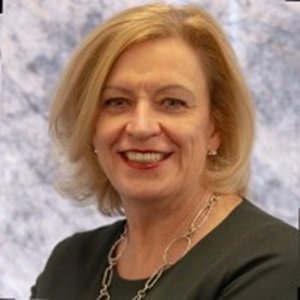
"Chevron Shipping aims to reduce the methane emissions intensity of our LNG fleet in support of a lower carbon future," says Barbara Pickering, President of Chevron Shipping.
Barbara Pickering adds, "We are pleased to collaborate with Wärtsilä in this industry first. This demonstrates steps we are taking to reduce the carbon intensity of marine transportation."
Reducing methane slip
"This innovative project represents a notable step forward on the road to advancing lower-carbon fleets," said Roger Holm, President of Wärtsilä Marine & Executive Vice President at Wärtsilä Corporation.
Roger Holm adds, "Wärtsilä has an extensive track record in reducing methane slip from LNG-fuelled engines, not only as newbuild solutions, but also through retrofitting existing installations."
Performance with dual fuel flexibility
This new technology complements Wärtsilä's extensive portfolio of solutions aimed at reducing methane emissions from vessels.
With nearly three decades of experience in LNG technology, Wärtsilä is providing market-renowned performance, both with the dual fuel flexibility provided by the DF engine, as well as with the single-fuel SG engine.