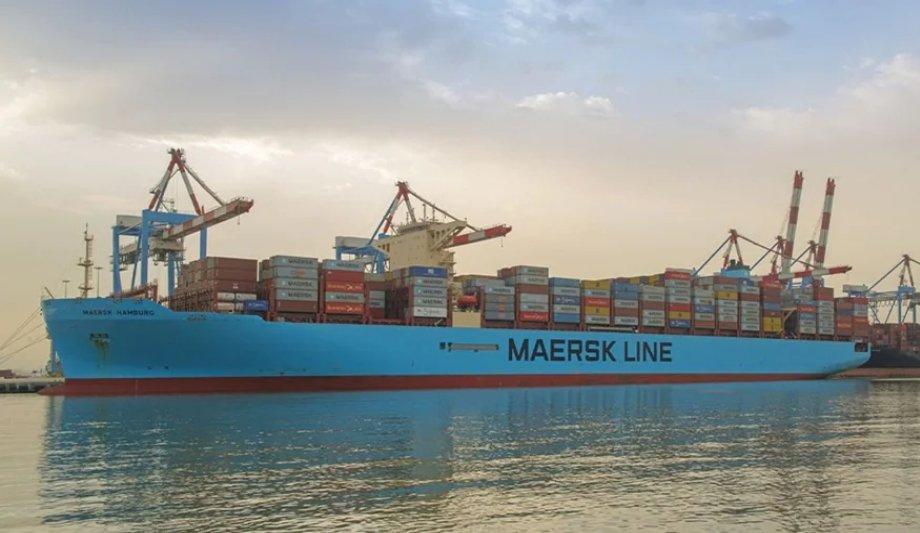

The Methanol Institute (MI) today announced A.P. Moller - Maersk. as the association’s newest member company.
Maersk’s first carbon-neutral vessel will be a methanol dual fuel ship. It will have a capacity of around 2000 TEU and be deployed in one of its intra-regional networks. While the vessel will be able to operate on standard VLSFO, the plan is to operate the vessel on carbon neutral e-methanol or sustainable bio-methanol from day one.
First dual vessel fuel
Maersk has identified its primary fuel candidates to be carbon neutral methanol MI CEO Gregory Dolan noted that, “MI is delighted to welcome Maersk as our newest member. Maersk’s choice of methanol as the fuel for its first dual fuel vessel sends a strong signal to the shipping industry that methanol is a marine fuel for today and tomorrow.”
Maersk announced the launch of the world’s first liner vessel to operate on carbon-neutral methanol in 2023 – seven years ahead of the initial 2030 ambition. Further, all future Maersk-owned new buildings will have dual fuel technology installed, enabling both carbon neutral operations and operation on standard very low Sulphur fuel oil (VLSFO).
Global shipping of carbon neutral methanol
“In pioneering this technology, it will be a significant challenge to source an adequate supply of carbon neutral methanol within the timeline we have set ourselves,” said Berit Hinnemann, Senior Innovation Project Manager, A.P. Moller - Maersk.
“We have a lot of work ahead of us to find the projects which are truly scalable, carbon-neutral and capable of meeting strict life cycle analysis criteria. Maersk is very pleased to join the Methanol Institute and is looking forward to further engagement with green methanol suppliers to advance the introduction of carbon neutral methanol in global shipping.”
Net-zero CO2 emissions
In December 2018, Maersk announced its ambition of net-zero CO2 emissions by 2050 and has since identified its primary fuel candidates to be carbon neutral methanol (bio-methanol and e-methanol), alcohol-lignin blends and carbon neutral ammonia along with the use of biofuels.