AVIKUS, HD Hyundai's autonomous navigation in-house startup, announced its autonomous navigation is proven to reduce fuel use by as much as 15% and is expected to reduce carbon emissions by 10%. This is the first time these fuel savings have been verified.
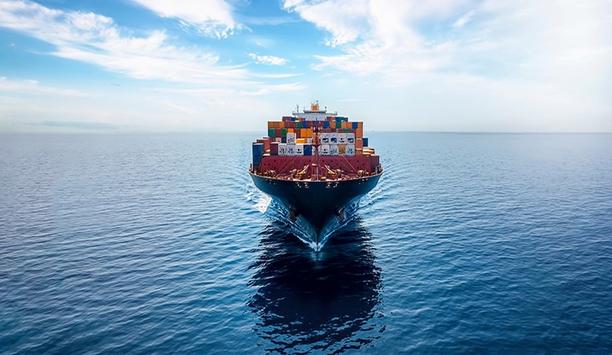
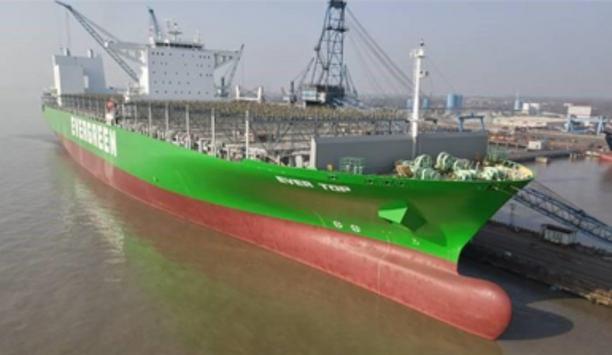
The fuel savings were quantified on a 325,000-ton Very Large Ore Carrier (VLOC) operating several times on a 5,800-mile route from Singapore to Brazil using Avikus’ autonomous HiNAS Control system. The verification of this performance was conducted through procedures that were jointly developed by HD Korea Shipbuilding & Offshore Engineering and Avikus, in partnership with Pan Ocean, Pan Ocean's ship management subsidiary POS SM and Korean Register (KR). The methodology for this verification was certified by KR.
Reduces carbon emissions
HiNAS also is capable of assisting with collision avoidance for a safer offshore experience
HiNAS Control, developed by Avikus, is an artificial intelligence (AI)-based autonomous navigation system that integrates information provided by various navigation equipment and sensors to automatically control the ship's direction and speed without navigator intervention.
This produces an optimised route that significantly reduces unnecessary fuel consumption and reduces carbon emissions. HiNAS also is capable of assisting with collision avoidance for a safer offshore experience.
Operation of an LNG carrier
“This certification is significant in that it proves that it is possible to actively respond to carbon emissions regulation through the use of autonomous navigation technology,” said Lim Do-Hyeong, CEO of Avikus. “Autonomous ships represent a new turning point in the sustainable development of the shipping industry. We are looking forward to rolling out this technology on other platforms in the future.”
Avikus successfully completed the world's first transoceanic autonomous operation of an LNG carrier in June 2022, recording a 7% improvement in fuel efficiency and a 5% reduction in greenhouse gas emissions at the time.